
I used to believe rest was simple—something you earned after finishing everything else. You work, you hustle, you check the boxes, and then you rest. But lately, I’ve started to wonder if we’ve completely misunderstood what rest even is.
Because the truth is, most of us don’t actually rest. We just stop moving.
A few months ago, I took what was supposed to be a weekend off. No laptop, no emails, no meetings. Just quiet. But my mind wouldn’t cooperate. I’d wake up thinking about unfinished projects, imaginary deadlines, people I hadn’t replied to. My body was on pause, but my brain was running marathons.
That’s when I realized something unsettling: we’ve confused exhaustion with accomplishment. And worse, we’ve turned rest into another thing to optimize—something to schedule, measure, and earn.
But rest, real rest, doesn’t work that way.
The Cultural Problem With “Doing Nothing”
Somewhere along the line, we decided that stillness equals laziness. If you’re not producing, you’re wasting time. The modern world has made “busy” a status symbol. We wear our exhaustion like a badge of honor, proof that we’re contributing, striving, existing meaningfully.
But what if that’s the very thing draining us?
Psychologists have a term for it—“active restlessness”—the inability to stop performing even when we’re off the clock. We fill our downtime with productivity disguised as leisure: catching up on shows, answering “just one more” message, scrolling endlessly because doing nothing feels uncomfortable.
We’ve forgotten that rest isn’t the absence of activity—it’s the presence of peace.
Rest Is Not a Reward, It’s a Rhythm
In nature, nothing blooms year-round. Trees shed leaves, animals hibernate, even the ocean has tides. Rest isn’t optional—it’s biological. Yet humans, in our self-importance, decided we could skip that part.
But the body always keeps score. Burnout isn’t just fatigue; it’s your system rebelling. It’s your brain saying, “I can’t keep sprinting forever.”
True rest, I’ve learned, isn’t a weekend getaway or a nap. It’s reclaiming your rhythm—allowing moments of quiet to exist inside the noise, not just outside of it.
Sometimes that looks like saying no to plans. Sometimes it’s turning your phone face-down during dinner. Sometimes it’s doing something purely because it nourishes you, not because it accomplishes anything.
Learning from Other Cultures of Rest
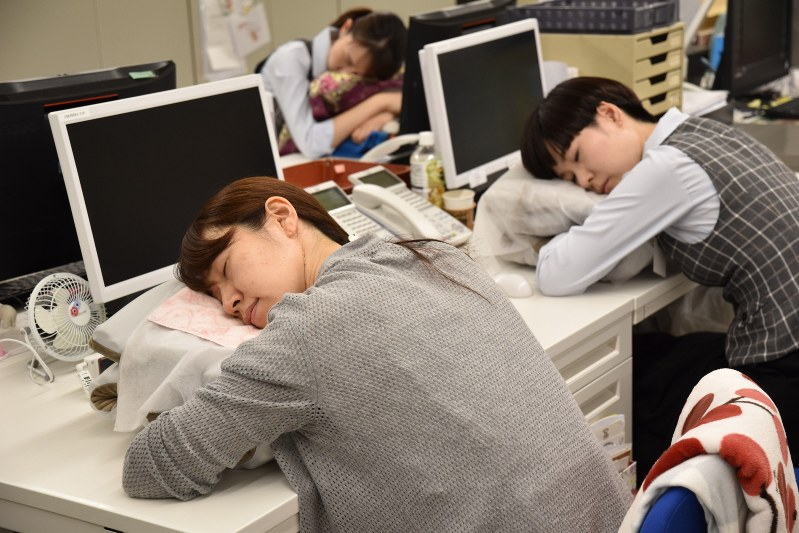
Different cultures have long understood what we’ve forgotten.
In Japan, there’s “inemuri”—the idea of being “present while asleep,” where even brief moments of rest are socially acceptable, not shameful.
In Spain, the siesta still carries social value, a midday pause built into the rhythm of life rather than stolen from it.
In Scandinavia, “friluftsliv” celebrates the healing power of time spent outdoors—not as recreation, but as restoration.
These traditions share a common truth: rest isn’t a break from life—it’s part of life.
My Thoughts on Rest That Feels Real
A few weeks ago, I started a small experiment: no phone for the first hour after waking up. I thought it would make me anxious, but instead, it made me aware. I noticed how the sunlight changed as it moved across my kitchen wall. I noticed the sound of the kettle, the smell of coffee. It was small, ordinary, but grounding.
That hour has become my quiet rebellion—a reminder that I don’t have to start every day by consuming noise.
Real rest, I think, begins with reclaiming attention. With remembering that you get to decide what your mind focuses on, not your inbox, not your feed, not your anxiety.
The Healing Power of Unproductive Time
Maybe the most radical thing we can do right now is to stop optimizing every second. To allow time that isn’t monetized, measured, or justified.
Because the truth is, creativity, clarity, even happiness—they all grow in the empty spaces. The pauses between notes are what make the music beautiful.
When I finally stopped filling every gap in my schedule, something surprising happened: I started to miss myself less. I didn’t feel like I was constantly catching up with my own life.
That’s the quiet art of rest—not a vacation, not self-care Sunday, but a way of living that honors our need to pause.
A Gentle Reminder
If you’ve been exhausted for a long time, maybe it’s not because you’re weak. Maybe it’s because you’ve been strong for too long without resting.
You don’t need to earn stillness. You just need to let yourself have it.
Close your laptop. Step outside. Take a deep breath.
The world will still be here when you return—maybe even kinder, because you’ll be part of it again.