
Introduction: The Spark of Change
In the world of politics, the image of a powerful leader or a top-down approach to policymaking often dominates the conversation. But what if I told you that some of the most significant changes in national policy start with small groups of individuals—ordinary citizens—who decide to take action? This is where grassroots movements come into play. These movements, often born from local activism, have the power to influence not just local issues but shape national policies. In this article, we’ll dive into the power of grassroots movements, how they’ve impacted history, and why they continue to be vital to political change today.
1. What Is a Grassroots Movement?
A grassroots movement is a form of local activism that starts with individuals or small groups working at the community level to address issues they care about. These movements are typically characterized by bottom-up mobilization, meaning they grow organically and are driven by the passion and energy of ordinary people, rather than political elites or large organizations.
Grassroots movements can range from neighborhood-level efforts to broader national campaigns. Whether it’s fighting for environmental justice, pushing for voting rights, or advocating for immigrant protections, grassroots movements focus on creating change from the ground up. They often leverage community organizing to bring people together, raise awareness, and create momentum.
2. The History of Grassroots Movements: A Tradition of Change
History is full of examples where grassroots activism has led to monumental shifts in policy. One of the most iconic examples is the civil rights movement in the 1960s. While major civil rights legislation was passed through Congress, the movement’s true power was in its grassroots origins. Leaders like Dr. Martin Luther King Jr., Rosa Parks, and countless unsung heroes began by organizing local sit-ins, protests, and voter registration drives, ultimately shaping the national conversation and passing landmark laws like the Civil Rights Act of 1964 and the Voting Rights Act of 1965.
Similarly, the women’s suffrage movement was built from the ground up. The fight for women’s right to vote was largely carried out by local activists who faced tremendous opposition. However, their tireless work led to the 19th Amendment, granting women the right to vote.
These movements show that, while it might take time, local activism can lead to national change.
3. Modern-Day Grassroots Movements: From Social Media to Street Protests
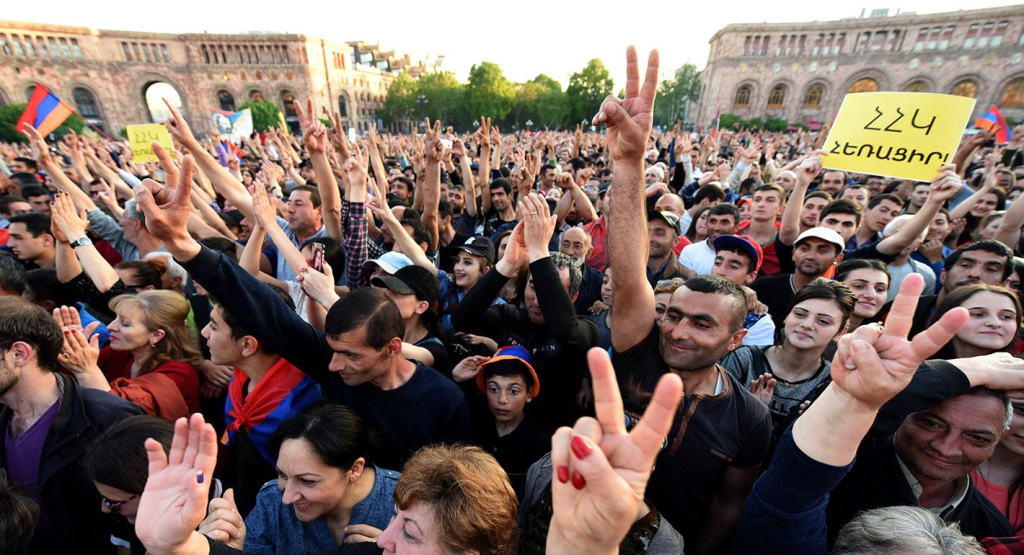
In today’s digital age, grassroots movements have found new ways to amplify their messages and mobilize supporters. Social media has become an essential tool in organizing protests, raising awareness, and advocating for political change. Platforms like Twitter, Instagram, and TikTok allow activists to quickly spread their messages and connect with people around the world.
One notable example is the Black Lives Matter (BLM) movement, which began as a hashtag on social media in response to police violence against Black Americans. What started as an online campaign quickly turned into a global movement with massive protests, calls for police reform, and significant changes to public policy in several states and cities.
Another example is the climate change activism led by groups like Fridays for Future, founded by teenage activist Greta Thunberg. Thunberg’s Friday school strikes, which began as a small protest in Sweden, sparked a worldwide movement that demanded government action on climate change and influenced policy debates at the United Nations.
Social media has made it easier for grassroots movements to gain traction quickly, creating a ripple effect that can lead to tangible political and social change.
4. The Influence of Grassroots Movements on National Policy
Grassroots movements have an undeniable influence on national policy. One of the reasons they are so effective is their ability to raise awareness and put pressure on lawmakers. When a large number of people demand action on a specific issue, politicians—especially those seeking re-election—often find it hard to ignore.
For example, in the fight for LGBTQ+ rights, local grassroots campaigns have been instrumental in pushing for marriage equality, workplace protections, and anti-discrimination laws. The success of the marriage equality movement in the United States is often credited to the tireless work of local activists who made the issue a national priority. Through organizing marches, rallies, and awareness campaigns, they created a groundswell of support that ultimately led to the legalization of same-sex marriage in 2015.
Similarly, grassroots efforts have been central to the fight for healthcare reform. The Affordable Care Act (Obamacare) faced significant opposition from powerful interests, but it was the grassroots campaigns—organizing door-to-door canvassing, town hall meetings, and voter drives—that helped build the political will necessary to pass comprehensive healthcare reform.
5. Challenges Faced by Grassroots Movements
Despite their power, grassroots movements are not without their challenges. One of the biggest obstacles is funding. Many grassroots organizations operate on limited budgets and rely on small donations or volunteer work. This can make it difficult to sustain momentum over time or compete with well-funded political campaigns.
Another challenge is opposition from established powers. Grassroots movements often face resistance from political elites, corporations, or government officials who may have a vested interest in maintaining the status quo. This resistance can manifest in lobbying, legal battles, or even intimidation.
Finally, the rapid pace of social media can be both a blessing and a curse. While social media allows grassroots movements to reach a wide audience, it can also contribute to disinformation or lack of focus. With so many voices and opinions online, it can sometimes be difficult for movements to maintain a clear and unified message.
6. The Future of Grassroots Movements
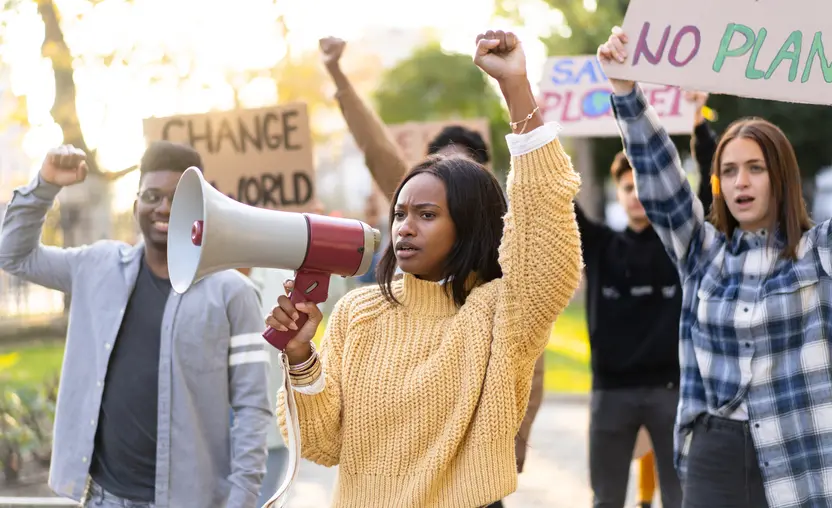
As we look ahead, the potential for grassroots movements to shape national policy is greater than ever. With the rise of digital activism, the ability to organize and mobilize people on a global scale is unprecedented. Social issues like climate change, racial justice, income inequality, and women’s rights are expected to continue driving grassroots action, pushing for systemic change.
Furthermore, the increasing involvement of young people in politics, particularly through grassroots channels, suggests that future movements will likely be even more diverse and dynamic.
The future of grassroots movements depends on the power of collective action and the ability to adapt to new platforms and challenges. Whether through protests, petitions, or online campaigns, grassroots activism will remain a crucial force in shaping national policies for years to come.
Conclusion: Small Actions, Big Impact
Grassroots movements are a testament to the power of ordinary people to create extraordinary change. From social media hashtags to street protests, local activism has the power to shape the policies that govern us. As history shows, even the smallest actions can snowball into national movements that redefine societies.
So, next time you’re inspired to take action—whether in your local community or on a global platform—remember: Change starts from the ground up.