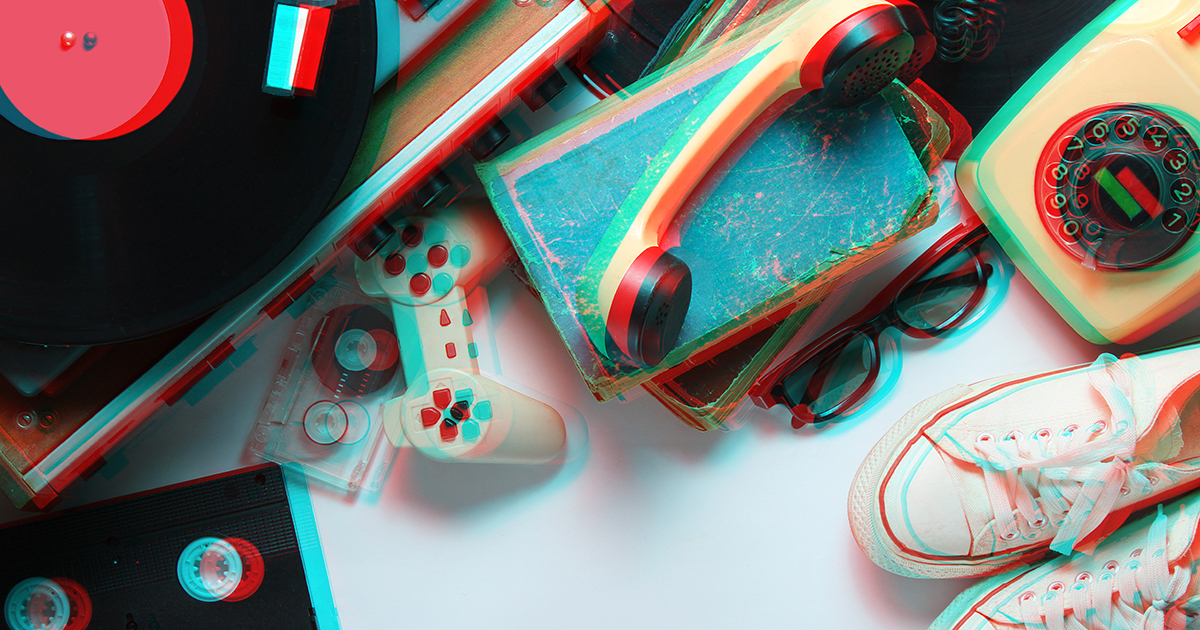
When the Past Feels Safer Than the Future
There’s something oddly comforting about watching an old sitcom rerun or hearing the dial-up sound from the early internet era.
It’s not just sentimentality—it’s survival.
In uncertain times, nostalgia becomes a refuge. It gives shape to a world that feels increasingly unstable, reminding us of moments when life seemed slower, clearer, and—if we’re honest—a bit kinder.
But nostalgia today isn’t what it used to be. It’s no longer a fleeting emotion; it’s an industry, a cultural current that shapes fashion, film, design, even the way we think about progress.
Retro Isn’t About the Past—It’s About Control
Every decade seems to circle back to the same question: why are we obsessed with “the good old days”?
In the streaming era, this question feels louder than ever.
Remakes, reboots, vintage filters, vinyl revivals—our cultural landscape is a collage of recycled memories.
Yet, it’s not really about the past. It’s about certainty.
When the present feels overwhelming and the future unpredictable, the past offers a version of life we can understand.
That’s why the aesthetics of the ‘90s or early 2000s feel so magnetic: they represent a time before the noise, before the algorithm, before every moment became something to optimize.
We turn to the past not because it was perfect, but because it was interpretable.
The Psychology of Nostalgia
Psychologists have long understood nostalgia as a self-regulation tool—a way the mind stabilizes emotion and identity during change.
In one study, people who felt nostalgic reported higher self-esteem and stronger feelings of social connection. The reason?
Memory isn’t passive—it’s reconstructive. When we revisit the past, we don’t replay reality; we re-edit it, highlighting the warmth and trimming the pain.
It’s emotional storytelling—a way of saying, “I’ve been okay before, so maybe I can be okay again.”
That’s why nostalgic media—old songs, familiar smells, retro visuals—can be quietly therapeutic. It reminds us that time may move forward, but meaning doesn’t have to vanish with it.
Pop Culture’s Soft Obsession
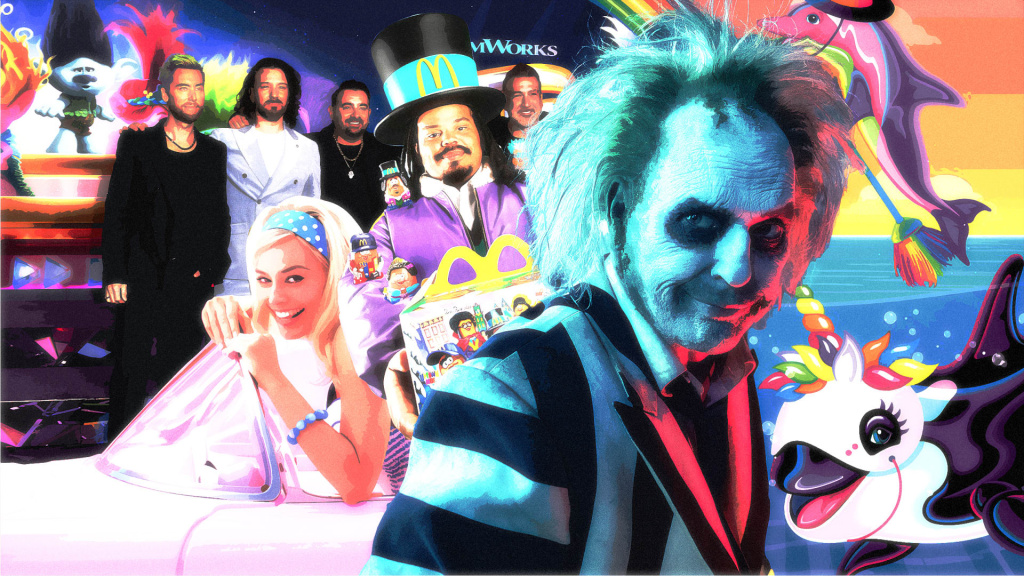
From the revival of 1980s synth-pop in modern hits to the resurgence of Y2K fashion, pop culture has become a loop of echoes.
Streaming platforms flood us with reboots; brands design “vintage” packaging for credibility; even video games reissue pixelated graphics as a rebellion against hyper-realism.
It’s as if culture collectively decided: Maybe the future isn’t inspiring enough right now.
But here’s a twist—nostalgia isn’t necessarily anti-progress.
Sometimes, it’s a bridge. It allows generations to meet in shared references, creating common emotional ground in a fractured digital age.
The real question is whether nostalgia guides us toward renewal—or traps us in replay mode.
When Nostalgia Becomes a Mirror
A few years ago, I found an old photo album in a storage box.
There were pictures from road trips I barely remembered, faces of people I hadn’t spoken to in years. I felt a rush of warmth, followed by something heavier—grief, maybe, or realization.
It hit me then: nostalgia isn’t just about what we miss—it’s about who we used to be.
Every time we revisit the past, we also confront the distance between then and now.
And perhaps that’s why nostalgia feels bittersweet.
It comforts us while quietly reminding us of all that’s changed.
The Future of Nostalgia
We often think of nostalgia as looking backward. But what if it’s also our way of rehearsing the future?
Maybe our love for retro isn’t escapism—it’s a coping mechanism.
It helps us integrate the chaos of the present by anchoring it to something recognizable.
Even technology, often blamed for accelerating change, now leverages nostalgia as emotional design.
Apps use “memories” features to resurface old photos. Playlists suggest songs from your teenage years. The past is now a push notification.
Yet there’s an irony in this convenience: when nostalgia becomes algorithmic, it loses its intimacy.
The memories that once arrived organically are now scheduled—another feed to scroll through, another emotion to manage.
Letting the Past Breathe Without Living There
Nostalgia isn’t the enemy of progress—it’s the reminder that emotion and innovation can coexist.
The trick is to let the past breathe without letting it dictate your direction.
We can revisit the things that shaped us—old songs, familiar streets, the taste of a childhood snack—without getting stuck there.
Because ultimately, nostalgia isn’t about retreating. It’s about remembering who we were so we can decide who to become next.
Maybe the most hopeful thing about nostalgia is that it means we’ve lived deeply enough to have something to miss.