Introduction
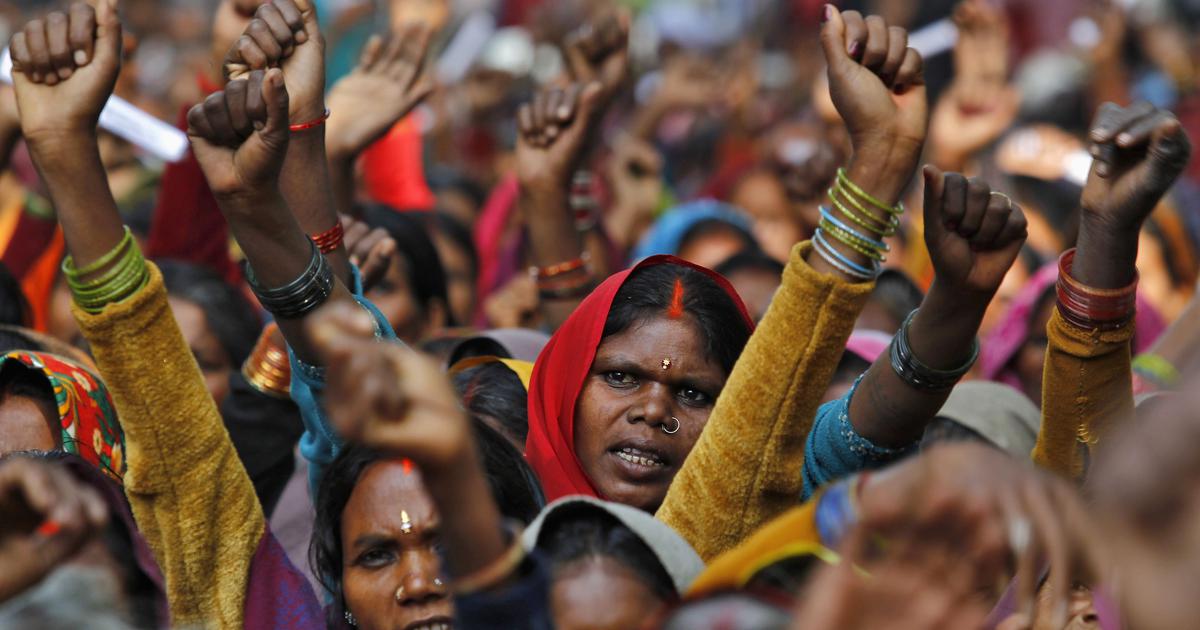
From climate strikes to grassroots campaigns, social movements have become a driving force behind political change. As a reader, it’s easy to scroll past headlines about protests or petitions, but behind every movement are real people pushing for tangible outcomes. In this article, we’ll explore how social movements influence policy, the mechanisms that make them effective, and why citizen engagement matters more than ever.
What Makes a Social Movement Powerful?
Social movements thrive on organization, visibility, and a clear goal. They often start small but gain momentum through networks, media coverage, and public participation.
- Clarity of message: Movements that articulate a simple, relatable goal tend to mobilize more support.
- Community engagement: Local volunteers, online campaigns, and public events expand reach.
- Symbolism and narrative: Strong stories or symbols—think of the pink hats of the Women’s March—create lasting impressions.
From a reader’s perspective, witnessing a movement grow from small rallies to policy debates shows the real-world power of collective voices.
Mechanisms of Policy Influence

Public Awareness and Media Pressure
When movements gain media coverage, they create public attention that policymakers cannot ignore. Coverage can spark debate, shift public opinion, and apply pressure for legislative action.
Lobbying and Advocacy
Some movements transition from street-level activism to organized lobbying. They meet lawmakers, propose policy drafts, and provide research to support their cause. It’s a strategic shift from protest to formal influence.
Electoral Impact
Mobilizing voters is another critical mechanism. By supporting candidates sympathetic to their goals or opposing those who aren’t, movements can shape political outcomes from the ballot box.
Case Examples of Recent Movements
- Environmental campaigns: Protests demanding stricter carbon emissions policies have influenced international agreements.
- Social justice initiatives: Movements advocating for criminal justice reform have led to local and state legislative changes.
- Health policy campaigns: Grassroots organizations have accelerated vaccination campaigns or public health funding.
Reflecting as a reader, it’s inspiring to see how ordinary citizens can collectively create measurable change, even in large, complex systems.
Challenges Social Movements Face
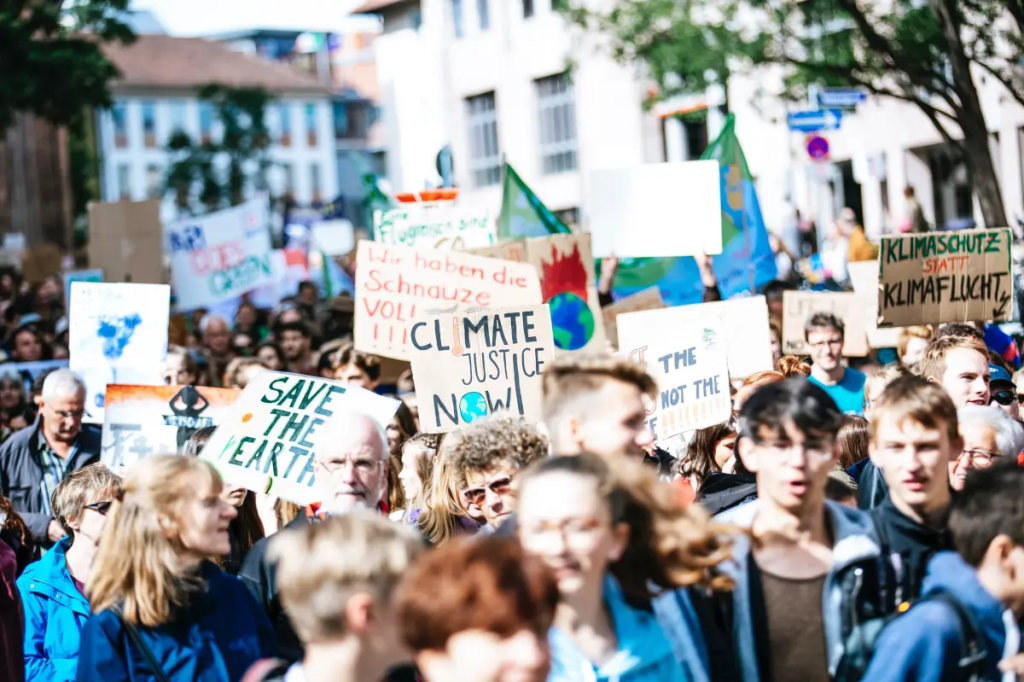
Despite their potential, movements encounter obstacles:
- Political resistance: Governments may resist or delay policy adoption.
- Movement fragmentation: Differing goals within a movement can dilute impact.
- Public fatigue: Sustaining attention and participation over long periods is difficult.
Understanding these challenges helps us appreciate the persistence and strategy behind successful campaigns.
How Readers Can Engage
Even if you’re not on the front lines, small actions matter:
- Stay informed: Understand the issues before taking a stance.
- Participate locally: Attend town halls, sign petitions, or volunteer.
- Share responsibly: Amplify verified information to raise awareness.
Engagement doesn’t have to be dramatic; consistent, informed participation can influence both local and national policy over time.
Conclusion
Social movements demonstrate the power of collective action in shaping policy. While challenges remain, their influence is undeniable: public opinion, media visibility, and electoral participation all intersect to drive change. As a reader, the key takeaway is that civic engagement matters—your voice, your participation, and your awareness contribute to a larger movement for progress. Which movement resonates with you, and how could you take part in shaping the future?