
Introduction
Automation is no longer a distant concept reserved for science fiction. From self-checkout kiosks at grocery stores to fully automated warehouses, technology is transforming the way we work. As companies continue to integrate advanced machines, robots, and artificial intelligence (AI) into their operations, a new question arises: How will automation affect the workforce? In this article, we’ll explore the role of automation in shaping the future of work, the opportunities it presents, and the challenges it may create.
1. Automation and the Changing Job Landscape
Automation has already begun to displace certain jobs, especially those involving repetitive tasks. For instance, in manufacturing, robots are increasingly taking over tasks such as assembly and packaging. In retail, self-checkout systems and inventory management robots are reducing the need for human labor.
However, automation doesn’t just eliminate jobs—it also creates new ones. The demand for workers skilled in robotics, AI programming, and data analysis is increasing. While some roles may disappear, others, particularly those in the tech sector, are emerging as vital.
For example, Amazon, known for its massive automated warehouses, has also created thousands of new tech jobs in AI development and robotic systems maintenance. Workers who can adapt to these shifts by gaining new skills will continue to play an essential role in the workforce.
2. How Automation Can Boost Productivity
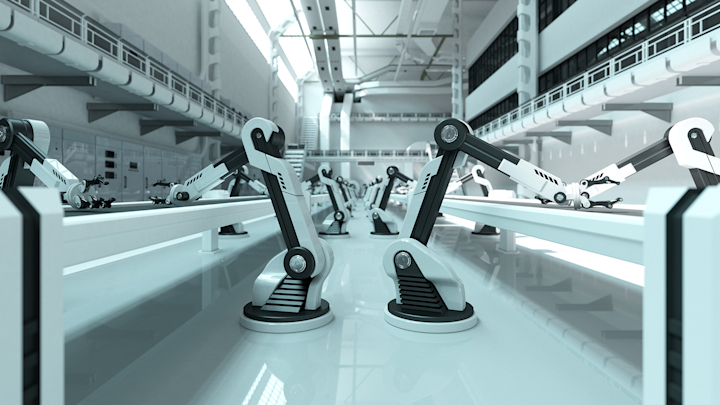
One of the main benefits of automation is its potential to boost productivity. Machines don’t need breaks, vacations, or sleep, and they can work around the clock without the risk of human error. This can lead to faster production times, more accurate results, and lower costs for businesses.
For example, in the automotive industry, automated assembly lines have enabled companies like Toyota to produce vehicles more efficiently than ever before. But it’s not just manufacturing; industries like healthcare are also seeing the benefits. Automated diagnostic tools and AI-powered patient management systems are improving both the speed and quality of care.
From a business perspective, this level of efficiency means that companies can offer competitive prices, improve customer service, and increase market share, all while lowering operational costs.
3. The Skills Gap: Preparing for a New Workforce
As automation takes over certain tasks, there is a growing demand for workers with advanced technical skills. The skills gap—the difference between the skills that employers need and the skills that workers possess—is becoming more pronounced.
This shift means that companies must invest in training programs and upskilling initiatives to ensure their workforce is prepared for new technologies. Workers, in turn, need to focus on developing skills in areas that are difficult to automate, such as critical thinking, creativity, and emotional intelligence.
Take the example of data scientists, whose role involves not just managing massive datasets but also interpreting them in ways that machines cannot. As businesses continue to rely on data for decision-making, this type of work will be in high demand, and workers with these skills will find themselves at the forefront of the automated workforce.
4. Automation and the Gig Economy
Another area where automation is playing a significant role is in the gig economy. As businesses automate routine tasks, many workers are shifting toward freelance, project-based, or part-time roles. Technology platforms that connect freelancers with employers are booming, and workers are taking advantage of the flexibility these platforms offer.
For example, platforms like Upwork and Fiverr allow workers to offer their services in fields like writing, design, and coding, often from the comfort of their homes. Meanwhile, automation tools make it easier for freelancers to manage projects, track invoices, and communicate with clients.
For many, the gig economy offers the benefits of work-life balance, autonomy, and flexibility, which traditional jobs may not provide. As automation makes many aspects of work more efficient, freelancers are better positioned to capitalize on the changes.
5. Ethical Considerations and the Human Impact

As we integrate more automation into the workforce, we must also consider the ethical implications. For instance, how do we address the displaced workers who lose their jobs to automation? And how do we ensure that AI and robots are used responsibly and equitably?
One area of concern is income inequality. As high-skill, high-tech jobs increase, lower-skilled workers in certain industries may find themselves without opportunities for retraining or reemployment. In these cases, universal basic income (UBI) and job transition programs could play a role in ensuring a smooth transition to a more automated economy.
Furthermore, there’s the question of privacy and data security. With AI and automation systems collecting and processing vast amounts of personal data, businesses must be held accountable for protecting consumer privacy.
Conclusion
The future of work is undeniably intertwined with automation. While it presents new opportunities for productivity, innovation, and flexibility, it also raises significant challenges, particularly for workers and businesses that must adapt to rapid technological changes.
As we move forward, the key question becomes: How can we balance the benefits of automation with the need for a fair, inclusive, and human-centered workforce? The path we take will define the nature of work for generations to come, and it’s up to us to shape it in a way that benefits everyone.