Digital Art: A New Frontier for Creatives
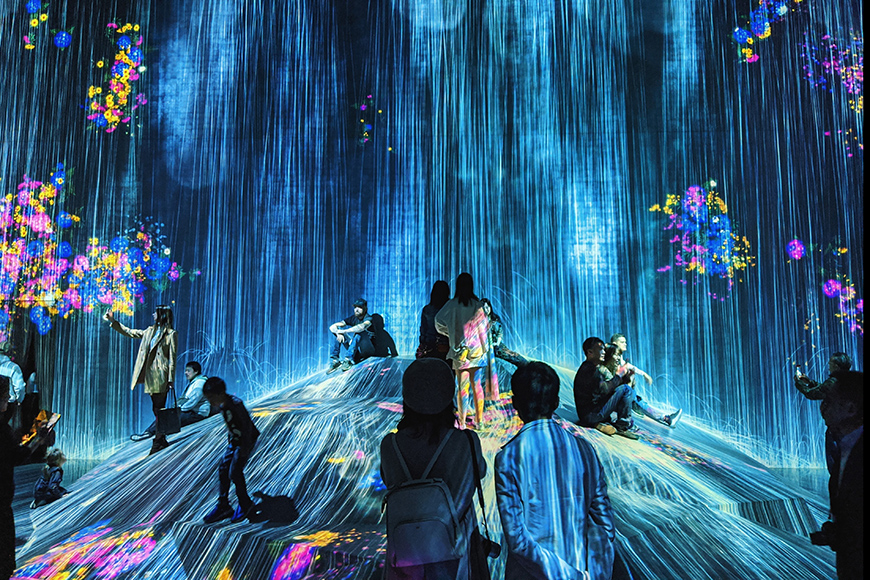
When we think of art, many of us envision traditional forms—oil paintings, sculptures, or even charcoal sketches. However, as technology has advanced, a new medium has emerged: digital art. From computer-generated illustrations to virtual reality sculptures, digital art has revolutionized how we create, experience, and appreciate art.
At its core, digital art is about breaking boundaries. It has democratized creativity, giving people access to powerful tools that were once reserved for professionals. But how did we get here? And what does the future of digital art look like? Let’s explore how technology has transformed the creative landscape and why it’s more exciting than ever before.
The Rise of Digital Tools: From Pixels to Masterpieces
The digital art world started modestly with simple tools like paint programs, which were more about convenience than artistry. However, over time, as technology progressed, the possibilities for digital art exploded.
Early Digital Art Tools:
In the early days of digital art, software like Photoshop and Corel Painter were groundbreaking. These programs allowed artists to mimic traditional techniques like oil painting, watercolor, or pastels, but with the freedom to experiment without the constraints of physical media. The introduction of digital tablets such as the Wacom allowed artists to draw with precision, giving them control and fluidity akin to traditional brushes.
The Influence of 3D and Virtual Art:
As computing power improved, so did the complexity of digital art. The rise of 3D modeling and animation tools like Blender, Maya, and ZBrush opened up entirely new creative possibilities. Artists could now create virtual sculptures and landscapes that existed purely in the digital realm. In the world of video games and films, these tools enabled artists to create photorealistic environments and characters that were once thought impossible to achieve.
One of the most notable developments in recent years has been the growth of virtual reality (VR) art. Using VR headsets and controllers, artists can now immerse themselves in a 3D space and sculpt in real-time. This form of digital art allows for unprecedented interaction with the medium, making the creative process more dynamic and engaging.
Digital Art’s Impact on the Art World
Breaking Traditional Boundaries:
Digital art has not only transformed the process of creation but has also shaken up the art world itself. It challenges the very definition of “art.” What was once considered a physical, tangible piece is now often intangible, saved on a computer or cloud storage. This shift has led to debates about the value and authenticity of digital art. However, it has also created new opportunities for exposure and distribution.
The Rise of NFTs and Digital Collectibles:
One of the most significant trends in recent years is the rise of NFTs (Non-Fungible Tokens), which have taken the digital art market by storm. NFTs have created a way for digital artists to sell their works as unique, authenticated items, giving them the ability to profit in ways that weren’t possible before. For collectors, NFTs offer a chance to own a piece of digital history that can be resold or displayed in virtual spaces. Platforms like OpenSea and Rarible have democratized the art market, allowing creators to sell directly to buyers without the need for galleries or intermediaries.
But the question remains: Are NFTs the future of art, or just a passing trend? Many critics argue that the environmental impact of blockchain technology and the speculative nature of NFTs could undermine their value in the long run. Nevertheless, NFTs have opened up new avenues for digital artists, giving them control over their work and earnings like never before.
Creativity Without Limits: The Future of Digital Art
The future of digital art is incredibly exciting. As technology continues to evolve, so will the possibilities for creatives. Here are a few emerging trends that are already shaping the future of the art world:
AI-Generated Art:
Artificial intelligence is playing an increasingly prominent role in the creation of digital art. Algorithms and machine learning models can now generate original works of art, from abstract paintings to hyper-realistic portraits. Artists are also using AI to assist in the creative process, employing it to generate new ideas, remix existing works, or create patterns that would be difficult to replicate by hand.
This opens up questions about the nature of creativity itself. If machines can create art, does that diminish the role of the artist? Or does it enhance the creative process by offering new tools for exploration? AI in art challenges our traditional understanding of authorship, blurring the lines between human and machine-made creations.
Interactive and Immersive Art Experiences:
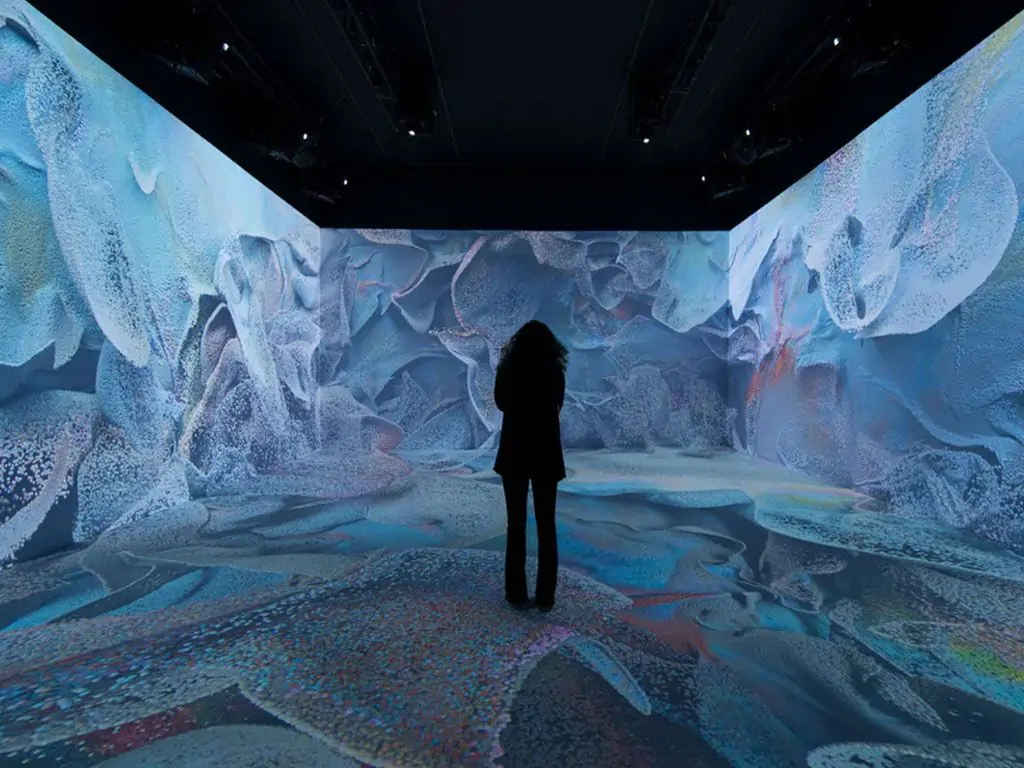
With the rise of augmented reality (AR) and virtual reality, art is becoming more interactive and immersive. Artists are now creating experiences that go beyond flat images or sculptures. Museums and galleries are experimenting with immersive digital art installations that allow visitors to walk through virtual landscapes or interact with digital objects in real time.
These technologies are pushing the boundaries of what art can be, making the viewer an active participant in the experience. As AR and VR technologies become more accessible, we can expect to see even more innovative ways to engage with digital art, from virtual exhibitions to interactive digital canvases.
Global Collaboration and Community:
One of the unique aspects of digital art is its ability to foster global collaboration. Artists from all corners of the world can share their work, exchange ideas, and collaborate in real-time, regardless of physical distance. Social media platforms like Instagram and Behance have provided a global stage for artists, while online communities allow creators to critique and support each other.
Digital art transcends borders and enables a global art movement where ideas can spread and evolve rapidly. The future of digital art will likely involve more collaboration, with artists from diverse backgrounds creating work that speaks to a global audience.
The Power of Digital Art in a Digital World
At its core, digital art is about expanding the ways we think about creativity. It provides artists with the tools and freedom to create beyond traditional boundaries, offering a space for experimentation, collaboration, and innovation. Whether through NFTs, VR experiences, or AI-generated designs, digital art is reshaping the way we consume and appreciate art in the 21st century.
As we continue to push the limits of technology, one thing is certain: digital art will continue to evolve, and its impact on our cultural landscape will be felt for years to come.