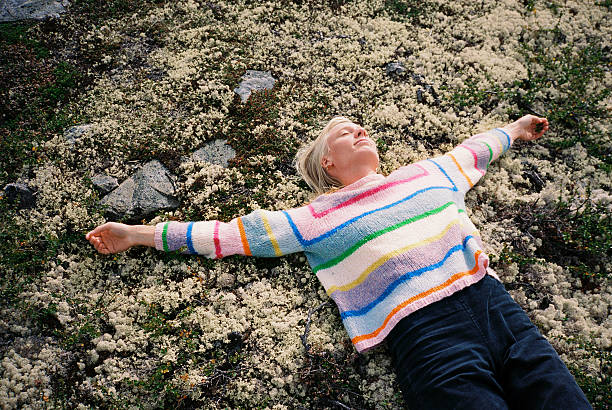
Travel used to mean movement. Fast movement. Tight schedules, packed itineraries, and a sense that if you didn’t “see everything,” you somehow failed the trip.
Lately, something has shifted.
More travelers are choosing to stay longer, see less, and move slower. They’re renting apartments instead of hopping hotels, shopping at local markets instead of chasing landmarks, and building daily routines in places they once would’ve passed through in 48 hours.
This isn’t laziness or travel fatigue. It’s a quiet rethinking of what travel is supposed to give us.
What Slow Travel Actually Means (And What It Doesn’t)
Slow travel isn’t about doing nothing. It’s about doing fewer things with more attention.
Instead of visiting five cities in one week, someone might spend that entire time in a single neighborhood. Instead of checking off famous attractions, they focus on everyday rhythms—morning coffee spots, evening walks, conversations that don’t feel transactional.
It’s not anti-adventure. It’s anti-rush.
And importantly, slow travel doesn’t require luxury or unlimited time. Some people practice it on month-long stays. Others do it during a single extended weekend by intentionally limiting plans.
The common thread is presence.
Why Fast Travel Started to Feel Empty
For years, social media rewarded visible movement: airports, landmarks, scenic backdrops. Travel became proof of living well rather than a way to experience life differently.
But many people quietly noticed something uncomfortable. Despite constant motion, the memories blurred. Photos piled up, but emotional connection didn’t.
You’d come home exhausted, needing a vacation from your vacation.
I’ve felt that myself—standing in a famous square, surrounded by hundreds of people taking the same photo, wondering why the moment felt strangely hollow.
Fast travel often turns places into products. Slow travel turns them back into environments.
The Psychology Behind Staying Longer
There’s a psychological reason slow travel feels different.
When we stay somewhere long enough, our brains stop treating it as a novelty and start engaging with it as a temporary home. We notice subtler details: the way light changes in the afternoon, the rhythm of public spaces, the social rules that aren’t written in guidebooks.
This deeper engagement reduces cognitive overload. Instead of constant decision-making—Where next? What now?—we settle into familiarity.
That familiarity creates comfort, and comfort creates openness.
Ironically, slowing down often makes travel feel more emotionally expansive, not smaller.
How Slow Travel Changes the Way We See Ourselves
One of the least talked-about aspects of slow travel is identity.
When you’re not constantly moving, you stop performing the role of “tourist.” You become something else—not a local, but not a visitor either. Something in between.
You start asking different questions:
- How do people structure their days here?
- What do they value?
- What feels normal to them that feels unusual to me?
And eventually, another question emerges:
- Which of my habits actually belong to me, and which are just products of my usual environment?
That kind of reflection rarely happens between airport security lines.
Economic and Cultural Impact (The Quiet Advantage)
Slow travel also changes who benefits from tourism.
Instead of money flowing mainly to large hotels, tour operators, and international brands, it spreads into smaller ecosystems—local grocery stores, neighborhood cafés, laundromats, co-working spaces.
From a cultural perspective, longer stays allow for more respectful interaction. There’s time to learn what not to do, not just what to see. Mistakes happen more gently. Curiosity replaces consumption.
This doesn’t magically solve the problems of overtourism, but it shifts the relationship from extraction to exchange.
You Don’t Have to Be Anywhere Special
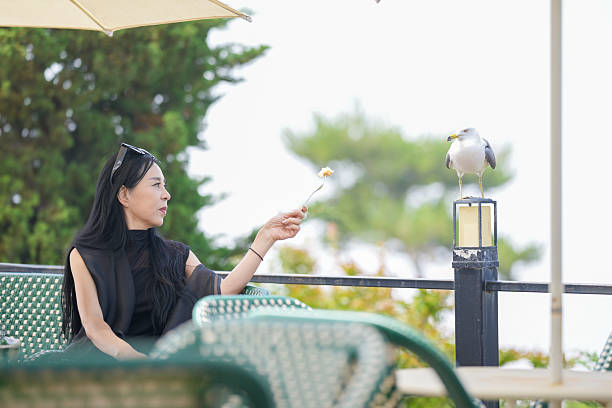
One misconception about slow travel is that it requires an “interesting” destination.
In reality, slower travel often works best in places that aren’t aggressively curated for visitors. Smaller cities, secondary neighborhoods, less-photographed regions tend to reward time more generously.
A park bench used daily tells you more about a place than its most famous monument ever could.
The value isn’t in novelty—it’s in repetition.
When Travel Becomes Part of Life, Not an Escape
Fast travel often functions as escape: from work, from routine, from ourselves.
Slow travel does something different. It integrates travel into life rather than suspending life altogether. You still work, cook, rest, get bored. And that’s exactly where meaning starts to surface.
You’re no longer chasing peak moments. You’re allowing ordinary ones to happen somewhere new.
That subtle shift can be surprisingly grounding.
Is Slow Travel for Everyone?
Not necessarily.
Some trips are meant to be fast, chaotic, and intense. Some seasons of life don’t allow for slowness. And that’s fine.
But the popularity of slow travel suggests something deeper: people aren’t just tired of rushing through places. They’re tired of rushing through themselves.
Choosing to slow down while traveling is often a response to a broader question:
What pace of life actually feels sustainable?
A Different Kind of Souvenir
When people talk about slow travel, they rarely mention souvenirs.
That’s because the takeaways aren’t objects. They’re internal recalibrations—new standards for time, space, and attention.
You return home noticing how loud your days feel. How fragmented your attention is. How rare it is to let a place shape you instead of just passing through it.
And maybe, without making a big declaration, you start adjusting.
Travel didn’t just show you the world. It quietly changed how you move through it.