
The Allure of the Unknown
Travel often conjures images of famous landmarks: the Eiffel Tower, Machu Picchu, the Great Wall.
But as destinations become increasingly crowded, the real adventure lies in exploring the less obvious—the hidden streets, quiet villages, and cultural experiences that rarely make it onto postcards.
Imagine wandering a small town where the market stalls overflow with local produce, or hearing traditional music echo through an ancient courtyard. These are moments that leave lasting impressions, long after selfies fade.
The question for modern travelers is simple: how do you experience a place authentically, without being just another tourist in a crowd?
Curiosity Over Convenience
Travel has become easier than ever. Flights are faster, apps guide every step, and curated itineraries promise efficiency.
Yet convenience often comes at the cost of depth.
Take Lila, a solo traveler exploring Portugal. She bypassed the crowded coastal towns and stayed in a small inland village. Every morning, she joined local farmers at the market, tasted dishes she couldn’t pronounce, and learned songs sung in regional dialects.
Her experience was unpredictable, challenging, and profoundly immersive—a sharp contrast to the “tourist bubble” of guided buses and pre-booked attractions.
The lesson is clear: curiosity trumps convenience. When we allow ourselves to wander off the beaten path, we discover layers of culture, history, and humanity that mainstream travel cannot replicate.
The Rise of Experiential Travel
Travel today isn’t just about seeing sights—it’s about doing.
Cooking classes, artisan workshops, guided hikes with environmental scientists, or volunteering in local conservation projects—these experiences connect travelers to the places they visit in a meaningful way.
For instance, in Oaxaca, Mexico, travelers can learn traditional weaving techniques from local artisans. In Japan, farm stays let visitors help plant rice and experience rural life firsthand.
Such activities go beyond passive sightseeing. They encourage participants to engage physically, intellectually, and emotionally with a new environment.
These moments create stories that go beyond Instagram—memories that transform both the traveler and the community.
Travel as a Cultural Bridge
Modern travel can also serve as a bridge between cultures, especially in regions where misunderstanding or stereotyping is common.
Consider Hassan, a guide in Morocco, who started offering immersive homestays for foreign travelers. Guests participate in daily life—cooking, shopping, and celebrating local festivals. What begins as curiosity quickly evolves into empathy. Travelers return home not just with photos, but with stories that humanize people they might have only known through headlines.
This approach challenges the superficial notion of tourism as consumption. Travel becomes a dialogue, a chance to listen, observe, and learn.
Sustainable Travel Choices
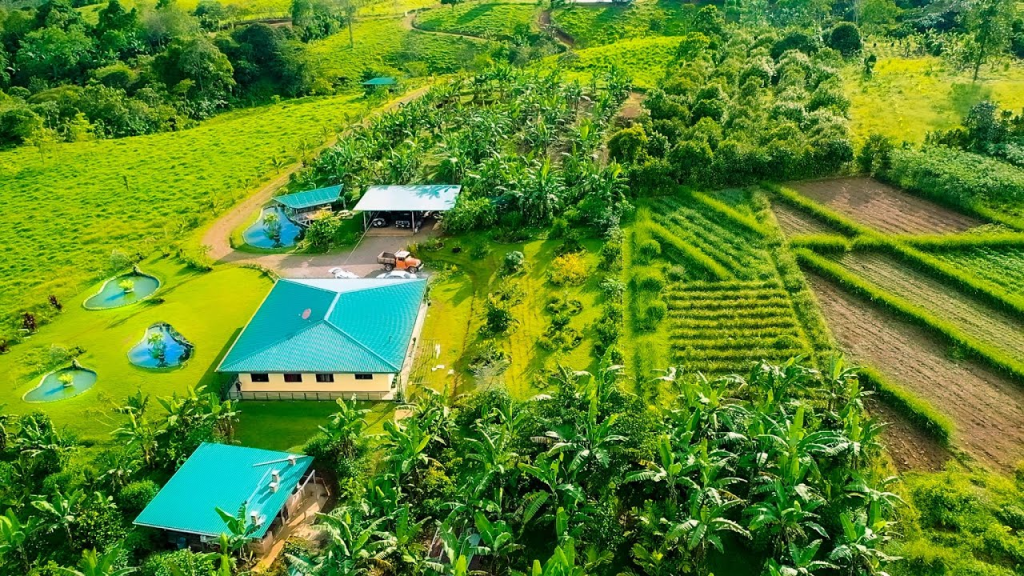
Exploring lesser-known destinations isn’t just culturally enriching—it’s environmentally responsible.
Over-tourism can devastate fragile ecosystems and strain local resources. By choosing small towns, local homestays, or eco-lodges, travelers can reduce their footprint and support communities directly.
For example, in Costa Rica, travelers can stay at permaculture farms where they contribute to reforestation efforts. In Iceland, guided hiking tours follow strict environmental guidelines to protect delicate tundra ecosystems.
The emerging mantra is clear: travel responsibly, leave minimal impact, and prioritize local benefit over tourist spectacle.
Technology as a Travel Ally
While the goal is authenticity, technology can actually enhance off-the-beaten-path exploration.
Apps and platforms now connect travelers to community experiences rather than commercialized tours. Augmented reality guides help visitors uncover hidden murals in a historic city, while translation apps allow meaningful conversation with locals.
Even social media, often blamed for over-tourism, can be a force for good when used thoughtfully—sharing small-town attractions and inspiring curiosity about the less explored corners of the world.
The key is balance: use tech to enhance understanding, not dictate your experience.
My Thoughts: Making Every Trip Matter
In my own travels, I’ve noticed a pattern: the most memorable trips aren’t the ones where I checked off landmarks, but the ones where I connected with people, stumbled upon unplanned encounters, and embraced unpredictability.
It’s a reminder that travel is not a checklist—it’s a conversation with the world.
Modern travel doesn’t have to mean expensive hotels or crowded attractions. Sometimes, the greatest discoveries are found in quiet moments: tasting a new food with a stranger, watching a festival from the sidelines, or simply observing daily life in a town where no one speaks your language.
These experiences cultivate curiosity, empathy, and humility—qualities that stay long after the journey ends.
The Road Ahead
As global travel rebounds and evolves, there’s an opportunity to redefine what it means to explore.
Rather than chasing Instagrammable views, travelers can focus on stories, connections, and sustainable choices.
The hidden streets, small villages, and human-scale experiences of the world await those willing to wander deliberately, with open minds and a sense of curiosity.
After all, the journey is richer when it’s not pre-packaged.