Introduction
Ever wonder why some TikTok dances, memes, or fashion trends explode overnight while others quietly fade away? Pop culture is unpredictable, but it’s not magic. Behind viral phenomena lies a mix of psychology, technology, and social behavior. By understanding how trends spread, you can not only enjoy the cultural moments but also see how society connects in real time.
1. The Psychology of Virality
Humans are wired to share things that evoke strong emotions. Funny, shocking, heartwarming, or even controversial content tends to get noticed. Psychologists call this the emotional contagion effect: if a piece of content triggers a feeling in you, you’re more likely to share it.
For instance, the sudden rise of certain dance challenges isn’t just about the moves—it’s about joy, humor, and the sense of participating in a shared global experience.
2. Social Media as an Accelerator
Platforms like Instagram, TikTok, and Twitter act as supercharged highways for content. Algorithms reward engagement, meaning that if your post gets early likes or comments, it will be shown to more people, creating a snowball effect.
My observation: sometimes, the people who make a trend viral aren’t celebrities—they’re ordinary users whose content just resonates with thousands almost immediately. It’s democratization at its finest: anyone can start a cultural wave.
3. Memes, Challenges, and Cultural Participation
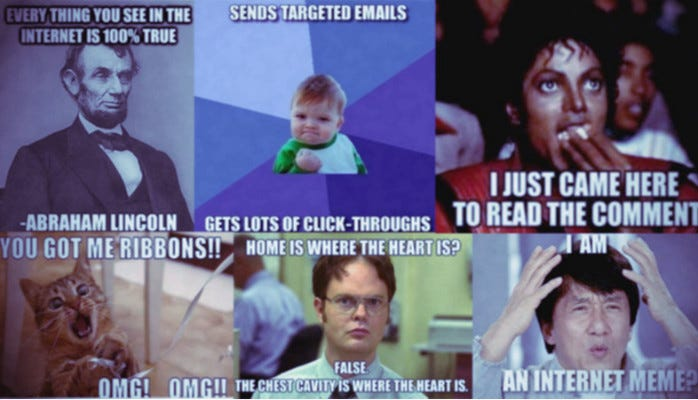
Memes and online challenges are more than jokes—they’re a way for people to participate in culture without leaving home. When millions remix a meme or dance, it creates a shared narrative that everyone feels part of.
Example: viral song snippets often skyrocket because users attach personal creativity, from lip-sync videos to creative reinterpretations. This is co-creation, a key factor in sustained virality.
4. Timing and Relatability Matter
A trend often goes viral because it’s timely and relatable. During global events, people gravitate toward content that mirrors their experiences or emotions. Think of memes about working from home during lockdowns—they became almost universal because millions could relate instantly.
From my perspective, relatability is the secret sauce. Even the funniest joke fails if the audience can’t connect with it.
5. The Role of Influencers and Celebrity Culture
While grassroots content is powerful, influencers and celebrities act as amplifiers. When someone with millions of followers joins a trend, the exposure skyrockets. However, the trend still needs authenticity; forced participation is usually ignored or ridiculed online.
This creates an interesting dynamic: trends often start from ordinary people, then grow exponentially with celebrity adoption, completing the cycle of virality.
6. My Take: Trends Reflect Society More Than Fads
What’s fascinating is that viral phenomena often mirror societal moods. From TikTok dances promoting body positivity to memes that critique politics, pop culture captures the zeitgeist. Participating in a trend can feel fun, but it also gives a snapshot of what matters to people at a specific moment in time.
Personally, I enjoy observing which trends explode and which fade—it’s like reading a real-time cultural diary of human behavior.
Conclusion
Viral trends aren’t random. They combine emotional appeal, social media mechanics, relatability, and timing. By understanding these factors, we can appreciate pop culture not just as entertainment but as a lens into society. So next time you scroll past a viral dance or meme, ask yourself: why did this capture the world’s attention—and what does it say about us?