
Introduction
Every election season, political messages flood our lives—from TV news to social media feeds to campaign ads. Even the most rational among us can find it hard to remain unaffected. Media doesn’t just deliver information; it subtly shapes how we view candidates, policies, and social issues. Understanding how this works can help us engage in democracy more consciously rather than passively absorbing information.
Media Is More Than an Information Source
In modern elections, media does more than report facts. Headlines, images, story order, and even the amount of screen time a candidate gets can influence what we notice and remember.
- Traditional media: TV, radio, and newspapers still serve as important sources for older and mainstream audiences.
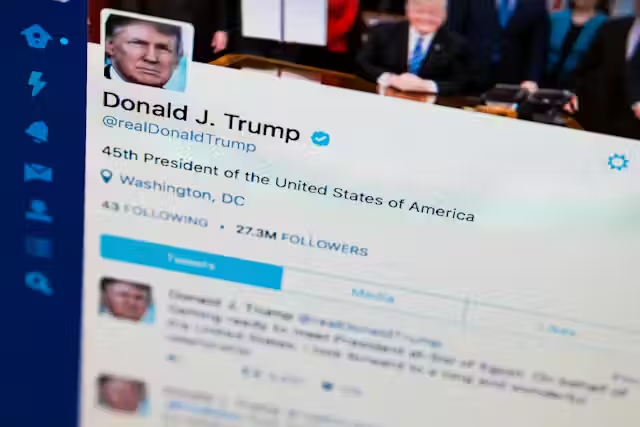
- Digital media: Social platforms amplify viewpoints, often creating echo chambers where users only see opinions that align with their beliefs.
- Political advertising: These ads are carefully designed to not only deliver facts but also trigger emotional reactions like fear, anger, or hope.
From a reader’s perspective, the way information is presented can subtly influence opinions without our conscious awareness—both fascinating and a little alarming.
How Media Influences Perception
Framing and Narrative
News stories often highlight certain angles over others. For example, coverage of healthcare might focus on cost, accessibility, or personal patient stories. Each framing shapes audience reaction differently.
Visuals and Emotional Appeal
Images of cheering crowds, struggling families, or dramatic events trigger emotional memory. Studies show that we remember emotionally charged content more than facts, making visuals a powerful tool in shaping perception.
Social Proof and Viral Trends
On social media, when friends or influencers support a candidate, people often unconsciously align with that perspective. Viral sharing amplifies this herd effect, quickly spreading certain narratives.
How Voters Are Affected
Media influences both conscious and unconscious decision-making. Some common effects include:
- Issue prioritization: Certain topics are amplified while others are overlooked.
- Candidate perception: Coverage affects trust, likability, and competence judgments.
- Political polarization: Selective exposure reinforces existing beliefs, reducing willingness to compromise.
Imagine scrolling through a news feed: each story subtly shapes your impression of a candidate, even if you don’t actively think about it.
From Ads to the Internet: New Campaign Tools
In U.S. elections, candidates don’t just rely on media coverage—they use ads to reach voters directly. In the 2000 presidential election, major party candidates spent nearly $300 million on TV ads, mostly targeting undecided swing voters.
By 2004, the internet became a major political tool. Vermont Governor Howard Dean leveraged his website and a network of volunteers to raise significant funds, showing the power of digital platforms. Other candidates followed suit, using websites to promote agendas, respond to attacks, and mobilize supporters online.
Media and Voter Behavior
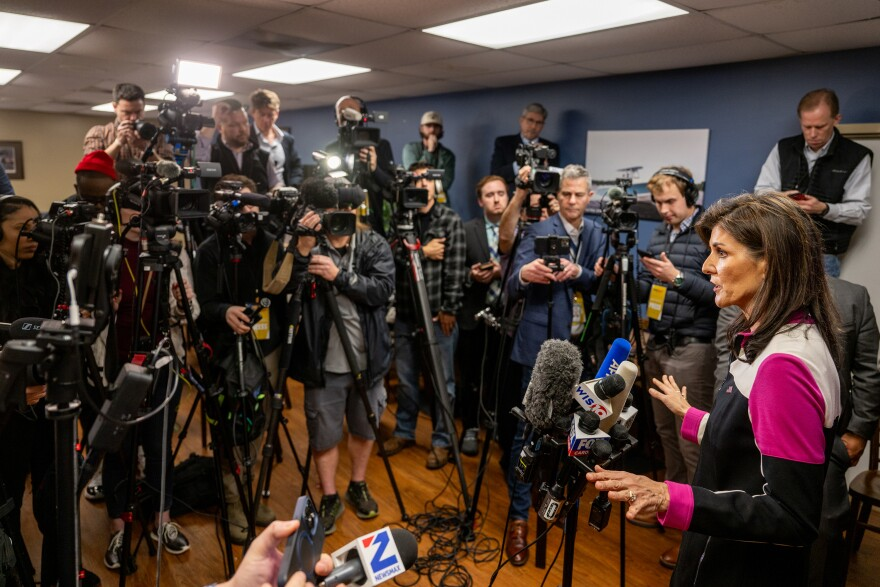
Research shows most voters prefer sources that confirm their existing views. TV, radio, and social media coverage often reinforce preexisting positions. Media most strongly influences undecided swing voters, which explains why campaign strategies focus on this group.
Newer tactics, like “exit polls” predicting election results, and even political documentaries, have also become part of the media landscape, demonstrating that storytelling itself has political power.
How to Be a Conscious Media Consumer
- Diversify sources: Read news from different perspectives.
- Verify facts: Check information with trusted sources before forming opinions.
- Reflect on emotions: Ask yourself why a story triggers a particular feeling.
By doing so, voters can make more informed, independent decisions rather than passively accepting media narratives.
Conclusion
Elections aren’t just about candidates—they’re about narratives and the media power that shapes perceptions. While influence is inevitable, understanding these mechanisms empowers you to be a more insightful citizen. Next time you scroll through news or social media, ask yourself: how is this story shaping my thoughts, emotions, or priorities? What voices might I be missing?