Introduction
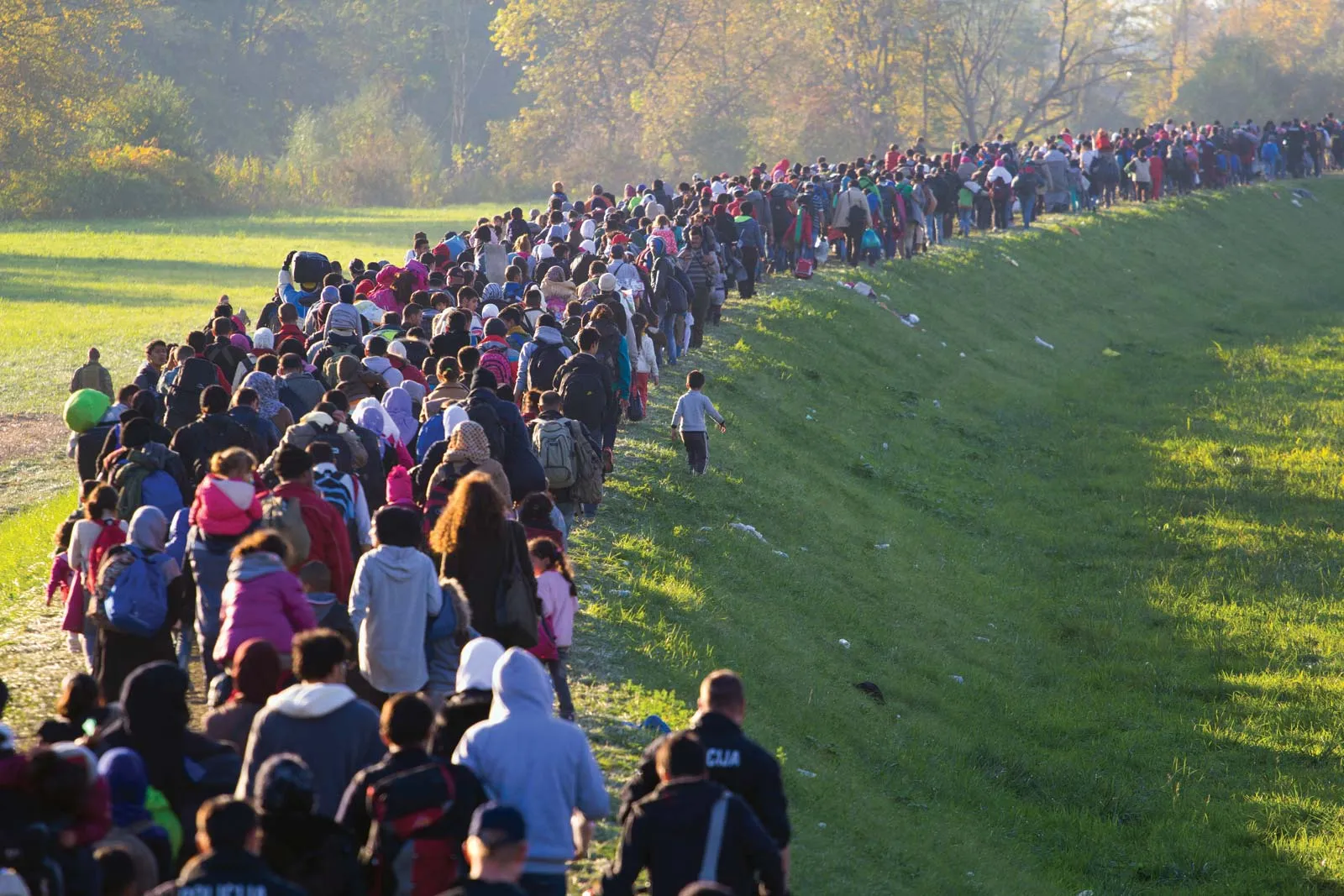
Across the globe, millions of people are forced to leave their homes due to war, persecution, or natural disasters. For many, fleeing isn’t a choice but a matter of survival. As a reader, it’s hard not to imagine the uncertainty, fear, and resilience that come with leaving everything familiar behind. In this article, we’ll explore the current refugee crisis, the challenges countries face, and the measures being taken to help displaced populations.
Understanding the Scale of the Crisis
Refugee numbers have reached historic highs, with tens of millions worldwide needing shelter and basic services. Unlike casual migration, refugees often flee without planning, possessions, or certainty about their destination. Consider this: each refugee story is unique, but collectively, these numbers represent a global challenge that no single country can handle alone.
- Key drivers of displacement: war zones, ethnic persecution, political instability, and climate disasters.
- Regions most affected: parts of the Middle East, Africa, and Southeast Asia.
From a reader’s perspective, it’s easy to feel distant from these events. But stepping into the shoes of a displaced family highlights the urgency: imagine packing your life into a single bag and leaving everything behind overnight.
How Countries Are Responding
Humanitarian Aid and Emergency Shelters
Many nations work with organizations like the UNHCR to provide immediate relief. Emergency shelters, medical aid, and food programs are the first lifelines. For example, border towns often set up temporary camps to accommodate sudden influxes, though these facilities are often overcrowded.
Policy Measures and Legal Protections
Countries vary widely in their refugee policies. Some offer asylum and a path to residency, while others enforce stricter border controls. Policies often depend on political climate, economic capacity, and public sentiment. From a reader’s viewpoint, it’s fascinating—and sometimes frustrating—to see how the same crisis can elicit such different responses across borders.
Community and Integration Programs
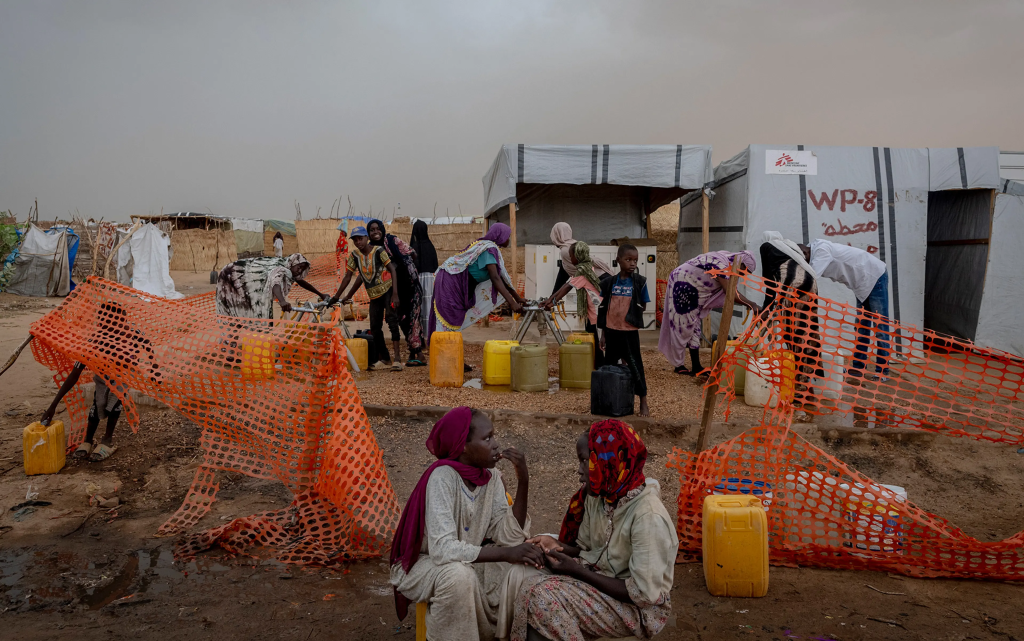
Beyond immediate relief, long-term integration is crucial. Language courses, employment support, and educational programs help refugees rebuild their lives. Imagine moving to a new country where everything—from traffic signs to grocery stores—feels foreign, and then being given a structured path to adapt and thrive. That’s the goal of these programs.
Challenges Facing Host Countries
Refugee crises are not one-sided issues. Host countries often struggle with limited resources, public opposition, and political debates. Balancing humanitarian responsibility with domestic priorities is a constant tightrope walk. For readers, it’s a reminder that compassion often intersects with practicality in complex ways.
- Resource strain: housing, healthcare, education.
- Social tension: integration challenges, cultural differences.
- Political pressure: policies can shift rapidly based on public opinion.
Why It Matters to Everyone
Even if you live far from refugee hotspots, the issue resonates globally. Economic instability, regional conflicts, and climate change don’t respect borders. Understanding the refugee crisis encourages empathy and informed discourse. From a personal perspective, learning about these struggles can inspire small acts—supporting charities, advocating for fair policies, or simply spreading awareness.
Conclusion
The global refugee crisis is complex, multifaceted, and ongoing. While countries work to balance compassion with practical challenges, it’s ultimately a shared human responsibility to respond thoughtfully. The stories of displaced individuals remind us that beyond statistics are real lives, hopes, and dreams. How can each of us contribute—through awareness, advocacy, or action—to help create a world where no one has to flee in fear?