
Introduction
When people hear the term Artificial Intelligence (AI), they often imagine sci-fi robots or futuristic supercomputers. In reality, AI is already woven into our daily lives in ways you may not even notice. From unlocking your phone with face recognition to getting movie recommendations, AI has quietly become an invisible assistant. But beyond the hype, what does this really mean for us?
1. What AI Really Is (In Simple Words)
At its core, AI is about teaching machines to “think” and make decisions like humans—though usually in very narrow tasks.
- Machine Learning: The more data AI sees, the smarter it gets.
- Natural Language Processing (NLP): Helps AI understand and respond to human language (like when you ask your voice assistant about the weather).
- Computer Vision: Enables machines to “see” and recognize images or faces.
👉 Instead of abstract definitions, think of AI as the quiet helper that learns patterns and makes tasks smoother.
2. Everyday AI Applications You Already Use

- Smartphones: Face unlock, voice typing, photo enhancement.
- Streaming Platforms: Personalized recommendations on Netflix, YouTube, or Spotify.
- Shopping: Product suggestions on Amazon based on what you browse.
- Navigation: Google Maps rerouting you to avoid traffic jams.
- Healthcare: Apps that track heart rate, calories, or even spot early signs of illness.
Chances are, you’ve interacted with AI today without realizing it.
3. The Benefits for Ordinary People
- Convenience: No more endless searching—AI predicts what you might like.
- Efficiency: Saves time by automating repetitive tasks.
- Safety: Cars with driver-assist features reduce accident risks.
- Accessibility: Tools like real-time translation and voice-to-text help people connect across languages and disabilities.
Imagine your fridge reminding you when milk is about to expire—that’s AI aiming to make life smoother.
4. Common Misconceptions About AI
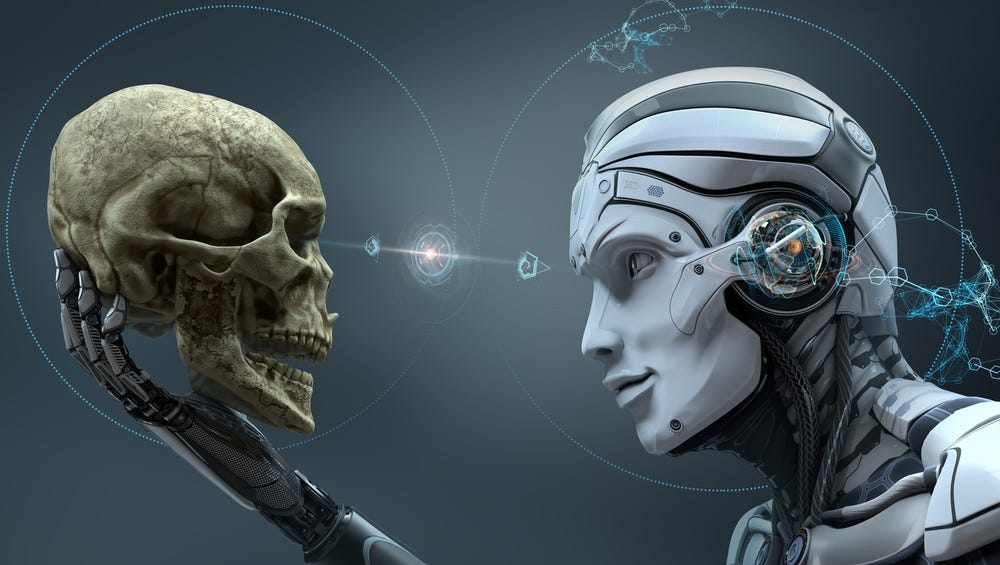
- “AI will take all our jobs.”
Reality: AI replaces some repetitive tasks, but it also creates new opportunities in areas like AI maintenance, ethics, and design. - “AI is smarter than humans.”
Reality: AI is powerful, but it’s only as good as the data it’s trained on. It can’t replicate creativity or empathy. - “AI is dangerous like in the movies.”
Reality: The bigger concern is bias in algorithms, not robots taking over the world.
5. My View: Living With AI Mindfully
AI is like electricity—it’s everywhere, but we barely notice it. The real challenge is not whether AI exists in our lives, but how we use it responsibly.
- We should demand transparency (how AI makes decisions).
- We should be aware of privacy issues (data collection in apps).
- We should balance convenience with caution.
👉 In other words: AI is a tool. It’s up to us whether it becomes a crutch, a helper, or a risk.
Conclusion
AI is no longer just futuristic hype—it’s part of our morning routines, work habits, and even entertainment choices. By understanding how it works and using it mindfully, we can embrace the benefits while staying alert to its challenges. The future of AI isn’t about robots replacing us—it’s about how humans and machines grow smarter together.