Introduction
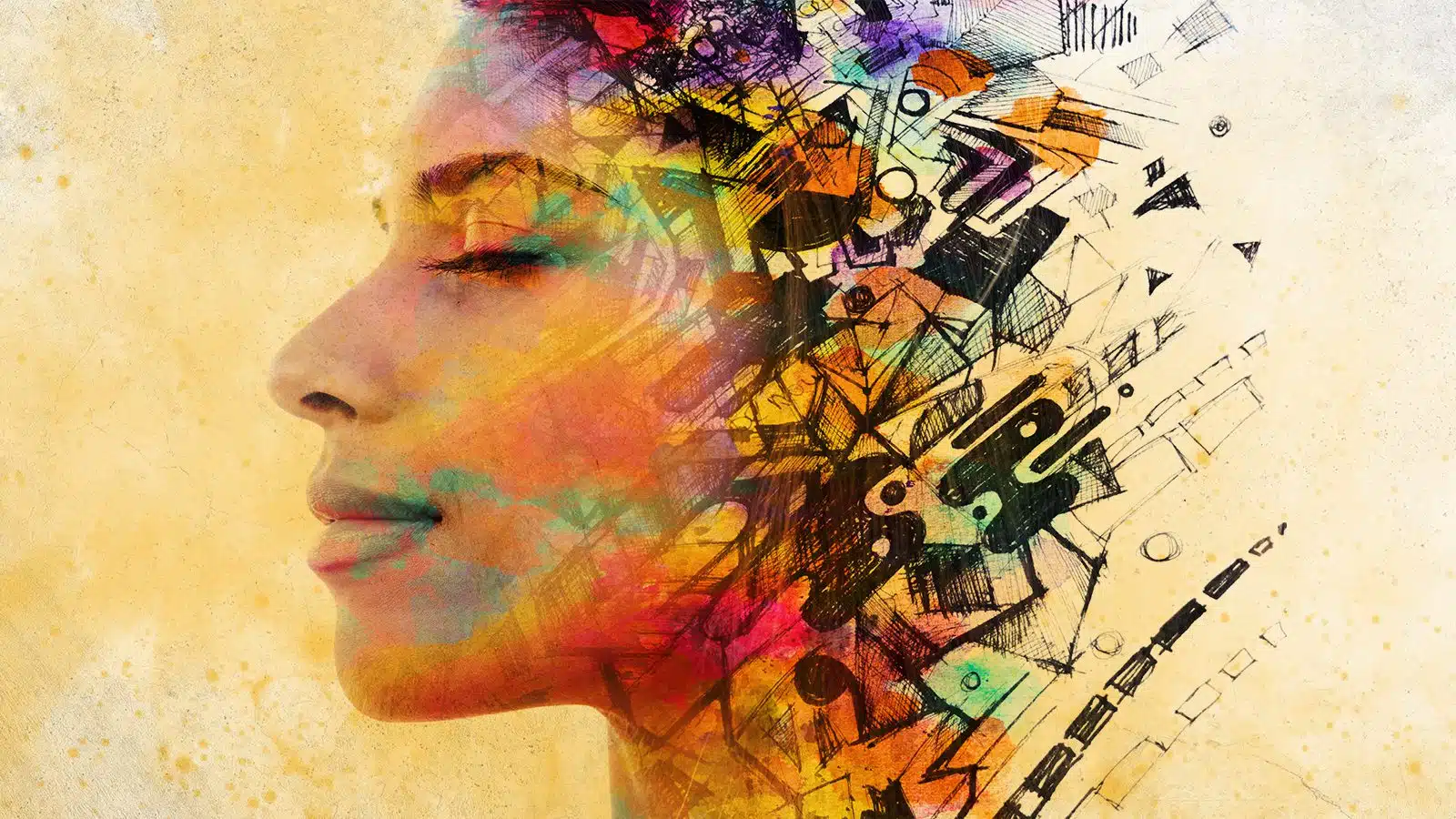
Art is everywhere, whether you notice it or not. From the murals in your city streets to the films you binge-watch, creativity influences how we think, feel, and connect. But beyond aesthetics, art plays a deeper role in shaping society—reflecting cultural values, inspiring social change, and even influencing politics.
1. Art as a Mirror of Society
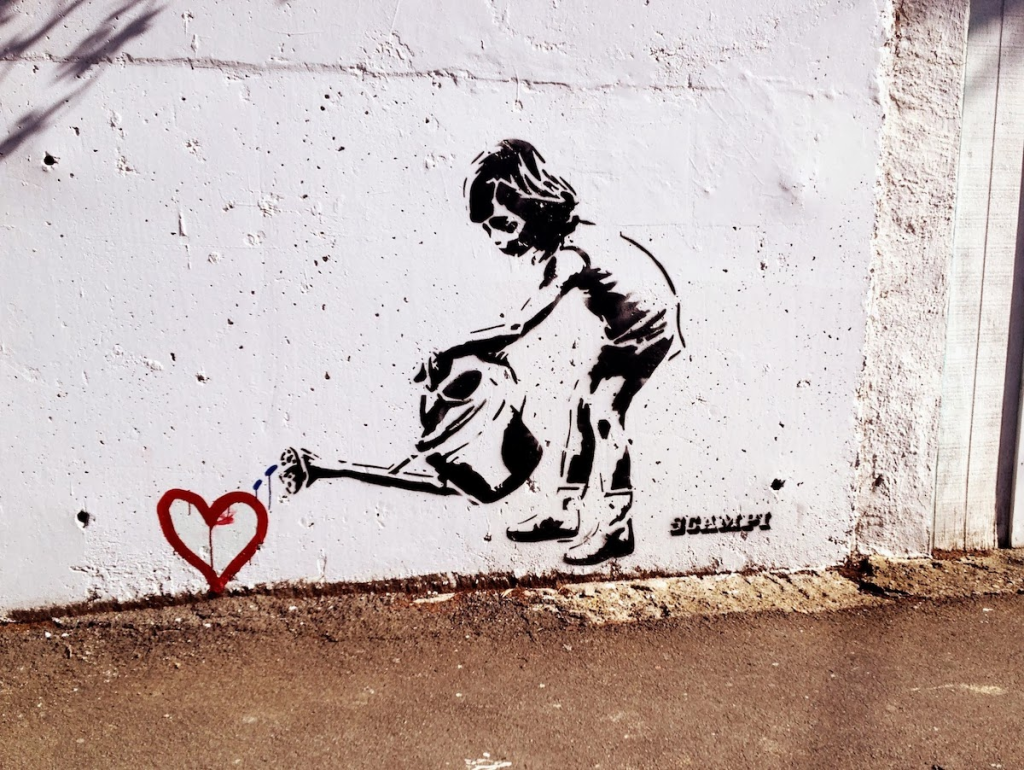
Art often reflects the world around it. Painters, writers, and filmmakers capture the social, political, and economic realities of their time. For example, street art in urban neighborhoods can highlight inequality, environmental issues, or political unrest.
When we encounter such work, it’s more than decoration—it’s an invitation to understand different perspectives. As a viewer, I’ve noticed that even a simple mural can spark conversations about topics many avoid in daily life.
2. Art Inspiring Social Change
Throughout history, creativity has driven activism. Music, literature, and visual arts have mobilized communities, challenged norms, and given voice to marginalized groups. For instance, protest songs during pivotal moments in history didn’t just entertain—they educated and motivated people to take action.
Even today, viral videos, digital illustrations, and performance art continue this tradition. They spread messages quickly, engaging audiences in ways traditional media sometimes can’t.
3. Creativity in Everyday Life
Art isn’t confined to galleries or theaters. Creativity appears in product design, architecture, advertising, and digital media. These everyday forms of art influence our habits, emotions, and decisions.
Think about it: the design of your favorite coffee cup, the layout of your smartphone app, or the typography on a billboard—all of these use creative principles to communicate and evoke responses. Experiencing art in these small ways shapes your daily interactions and perceptions.
4. Personal Reflection: How Art Impacts Me
I’ve found that engaging with art—whether watching a thought-provoking film or visiting a local gallery—forces me to pause and reflect on life. It’s like a mental reset, offering new ways to approach challenges or view others’ experiences.
Creativity has a unique power: it can entertain, educate, and even heal. The act of observing or creating art fosters empathy, curiosity, and innovation.
5. The Digital Age and Art Accessibility
The internet has democratized art. Online platforms allow creators to share work globally, while audiences can access diverse styles and voices that were once geographically or financially out of reach.
From my perspective, this accessibility not only broadens cultural understanding but also encourages more people to express themselves creatively. Memes, digital illustrations, and short films are now legitimate art forms that influence society, showing that creativity is no longer confined to traditional mediums.
6. Art, Identity, and Society
Art also helps define cultural and personal identity. Local artists preserve traditions, reinterpret heritage, and celebrate uniqueness. When communities embrace their creative voices, it strengthens social cohesion and pride.
For individuals, engaging with art—creating or consuming—provides a way to explore identity, process emotions, and communicate ideas that might be hard to express in words.
Conclusion
Art is more than decoration; it’s a force that reflects, critiques, and shapes society. From public murals to digital content, creativity informs our worldview, inspires change, and connects people across boundaries. Next time you encounter a piece of art—whether on a wall, screen, or stage—consider not just its beauty, but the story it tells about the world and yourself.