Introduction
Not too long ago, shopping meant driving to a mall, comparing prices in crowded stores, and carrying bags back home. Today, a few taps on your phone can get groceries, clothes, or even furniture delivered to your doorstep in just hours. E-commerce isn’t just about convenience anymore—it’s reshaping how we make decisions, what we value as consumers, and how businesses survive in a hyper-competitive world.
This article unpacks the biggest e-commerce trends shaping 2025, from mobile shopping and video commerce to artificial intelligence, sustainability, and global platforms. More importantly, we’ll explore what these shifts mean for both shoppers and brands.
Your Phone Is the New Mall
The smartphone has become the ultimate shopping mall you can carry in your pocket.
- Most consumers browse and buy directly in apps rather than on desktop sites.
- Social platforms like Instagram and TikTok now blur the line between entertainment and commerce by embedding “Buy Now” buttons.
- For many of us, stumbling upon a product in a short video and purchasing it on the spot has become completely normal.
This seamless integration of discovery and checkout is redefining how—and where—people shop.
The Rise of Video Shopping

Video is no longer just about entertainment; it’s becoming a powerful retail engine.
- Over 80% of consumers say brand videos influence their buying decisions.
- Platforms like YouTube’s Shoppable Ads and TikTok’s “Shop Now” button allow users to buy products without leaving the feed.
- Live-stream shopping events are creating urgency and a sense of community around purchases.
For brands, this isn’t just about pushing products. It’s a chance to tell stories, educate customers, and build trust—all while driving sales.
Personalization and the AI Advantage
E-commerce is moving beyond one-size-fits-all. Personalization has become the battlefield where brands win or lose customer loyalty.
- Algorithms recommend products based on browsing history, making the experience feel like a conversation with a personal shopper.
- Virtual try-ons for clothes or glasses are making online purchases less risky.
- AI tools are writing ad copy, optimizing emails, and analyzing customer data, giving sellers new ways to compete efficiently.
For shoppers, this means a smoother, more tailored experience. For businesses, it’s a way to stand out in an increasingly crowded market.
Speed, Convenience, and the Logistics Revolution
Amazon Prime set the bar high: next-day delivery is now the baseline. Behind the scenes, logistics are going through a quiet revolution:
- Warehouses use robots to pack orders.
- Delivery companies rely on AI to optimize routes.
- Drones and autonomous vehicles are being tested for last-mile delivery.
Waiting a week for a package now feels outdated. Convenience has become non-negotiable, and brands that fail to deliver speed risk losing customers instantly.
Shopping With New Values in Mind
Price still matters, but it’s no longer the only thing consumers care about.
- Sustainability: Many shoppers favor brands with eco-friendly packaging.
- Ethical sourcing: Transparency about where and how products are made influences decisions.
- Experience vs. speed: Some consumers want lightning-fast delivery, while others prefer curated, boutique-style experiences.
If you’ve ever chosen a product because it was labeled “eco-friendly” or “locally made,” you’re already part of this shift.
The Global Marketplace
Borders are fading when it comes to online shopping.
- Platforms like Amazon, Temu, Shein, and Shopee are making global trade mainstream.
- Small businesses are reaching international customers through Etsy or standalone shops.
- Consumers can access unique products they’d never find in a local store.
For shoppers, the world has never been smaller. For businesses, it means competing not just locally but against sellers from every corner of the globe.
Why Post-Purchase Experience Matters
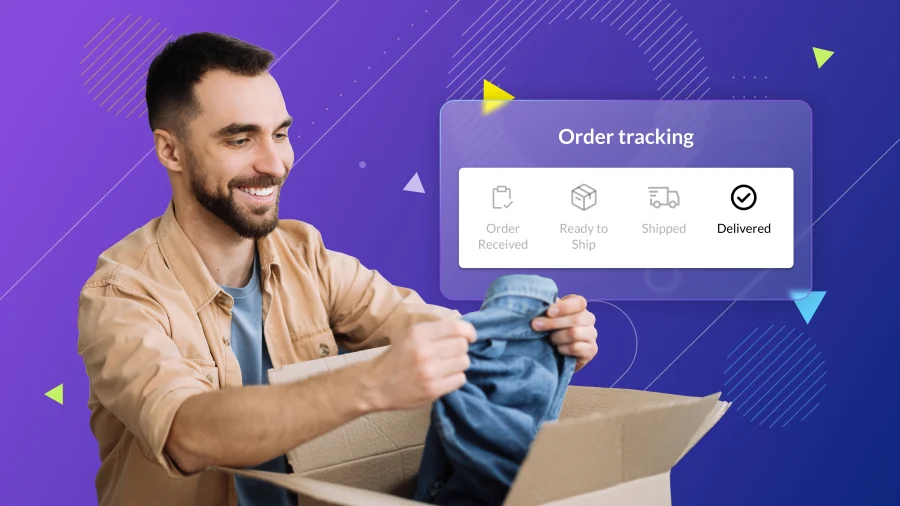
The transaction doesn’t end when the payment clears. Research shows:
- 90% of consumers believe post-purchase experience is as important as product quality.
- Easy returns, clear order updates, and quick customer support are now baseline expectations.
- Personalized follow-ups and tailored recommendations drive repeat business.
In short, customer loyalty is built—or lost—after checkout.
Generational Shopping Habits
Not all consumers behave the same way, and brands that recognize generational differences will thrive:
- Gen Z: Discovers new brands through TikTok and Instagram. They value authenticity and interactive shopping experiences.
- Millennials: Care deeply about brand values and customer relationships. Many prefer to buy directly from a brand’s website.
- Boomers: Still lean toward in-store shopping and want personalized service in physical spaces.
Brands that adapt messaging and platforms for each group will connect more effectively than those that try to serve everyone the same way.
Conclusion
E-commerce is no longer just about buying things online—it’s about redefining how we live, shop, and even think about consumption. From mobile apps and short-form videos to AI-driven personalization and eco-conscious choices, the retail landscape is being rewritten in real time.
For businesses, adapting isn’t optional; it’s survival. For consumers, the power to shape the future of shopping has never been greater.
So here’s the question: in the next five years, will e-commerce give us more freedom and choice—or will algorithms and platforms dictate how we shop?