
Introduction
Sports have never been just about winning games. From baseball diamonds to football fields, major leagues have mirrored the changes in our societies. When we watch a championship, we’re not only witnessing athletic excellence but also a story of cultural transformation. Let’s explore how sports leagues evolved over time and what that reveals about the world we live in.
1. From Local Games to Global Stages
In the early 20th century, leagues like Major League Baseball (MLB) and the National Football League (NFL) were mostly local entertainment. Today, the NBA finals or the English Premier League draw global audiences.
This globalization reflects how societies are increasingly connected—fans in Asia or Africa cheer for the same teams as those in New York or London.
2. Breaking Barriers: Race and Inclusion

Integration of Athletes
- Jackie Robinson’s entry into MLB in 1947 broke racial barriers in American sports.
- Similar milestones happened worldwide, where athletes from marginalized communities gained opportunities to shine.
Women in Sports
- The growth of women’s leagues—like the WNBA or women’s soccer—mirrors larger gender equality movements.
- When we watch Serena Williams or Megan Rapinoe, we’re seeing not only athleticism but also symbols of progress.
3. Sports as a Political Stage
Major leagues often become platforms for social change:
- Olympic protests in the 1960s highlighted civil rights issues.
- NFL players kneeling during the national anthem reignited debates on racial justice.
These moments remind fans that sports are deeply connected to society’s struggles and aspirations.
4. Technology and Media Transformations
Sports broadcasting has evolved from radio to global live-streaming:
- Television: Turned players into household names.
- Social media: Gives athletes direct voices to influence fans and causes.
- Data analytics: Changed how teams strategize and how fans interact with the game (fantasy leagues, betting, live stats).
As viewers, we no longer just watch the game—we experience it through highlights, memes, and live discussions online.
5. Economics and Fan Culture
Rising Commercialization
Sponsorships, merchandise, and billion-dollar TV deals turned leagues into economic giants.
- Fans sometimes criticize commercialization, but it also funds better training and facilities.
Community and Identity
Sports still maintain their local roots—wearing a team’s jersey or attending a home game is about belonging to a community.
6. What It Means for Fans
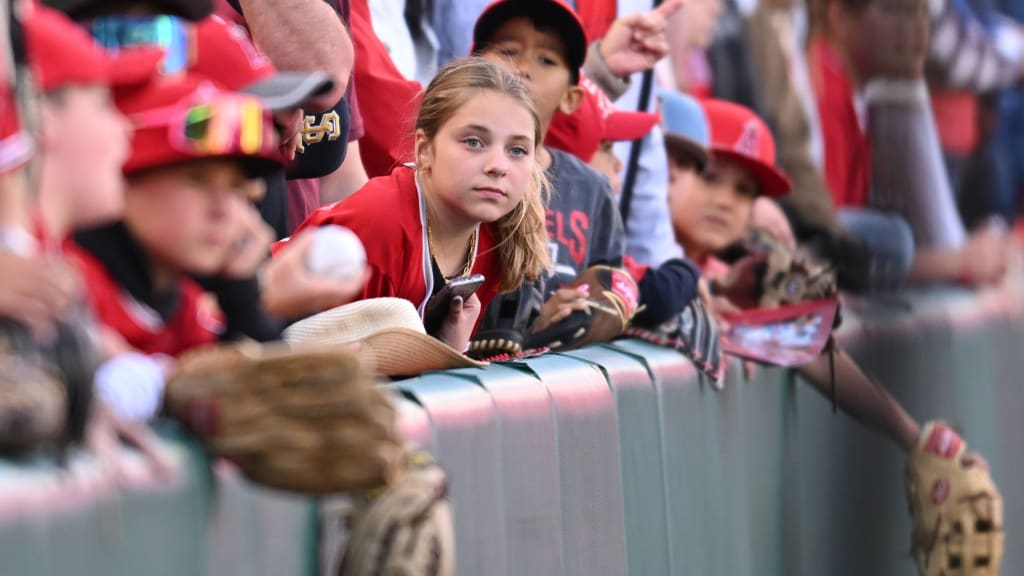
For us as spectators, the evolution of leagues changes how we engage:
- We’re not just passive viewers—we tweet, share, and debate.
- Sports now reflect our values, whether it’s inclusivity, fairness, or innovation.
Every cheer in the stadium or online carries not just excitement but also cultural meaning.
Conclusion
Major leagues are mirrors of society. From racial integration to gender equality, from political activism to digital transformation, sports evolve alongside us. Next time you watch a big game, notice how much more is happening beyond the scoreboard—it’s history, culture, and social change in motion.