Introduction
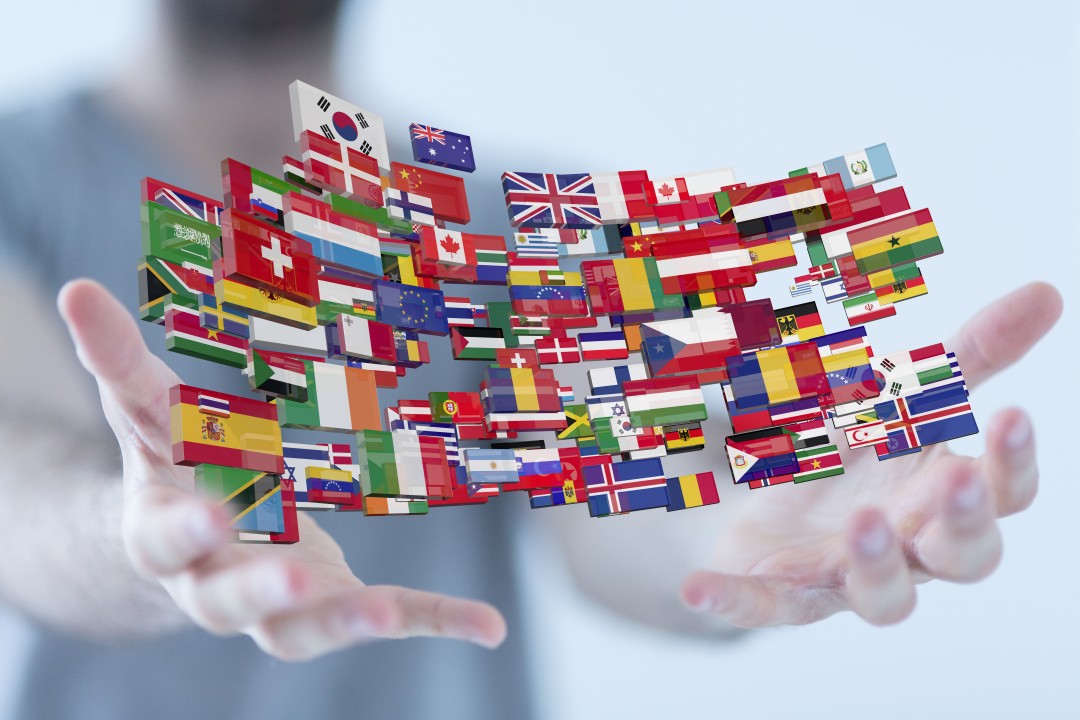
Global diplomacy can feel like a game of chess, where every move—alliances, trade deals, or sanctions—has ripple effects across continents. For most of us, international relations might seem distant, but these dynamics influence trade prices, security, and even the technologies we use daily. In this article, we’ll break down key global tensions, alliances, and what they mean for everyday life, using approachable examples and analogies.
Understanding Alliances and Their Importance
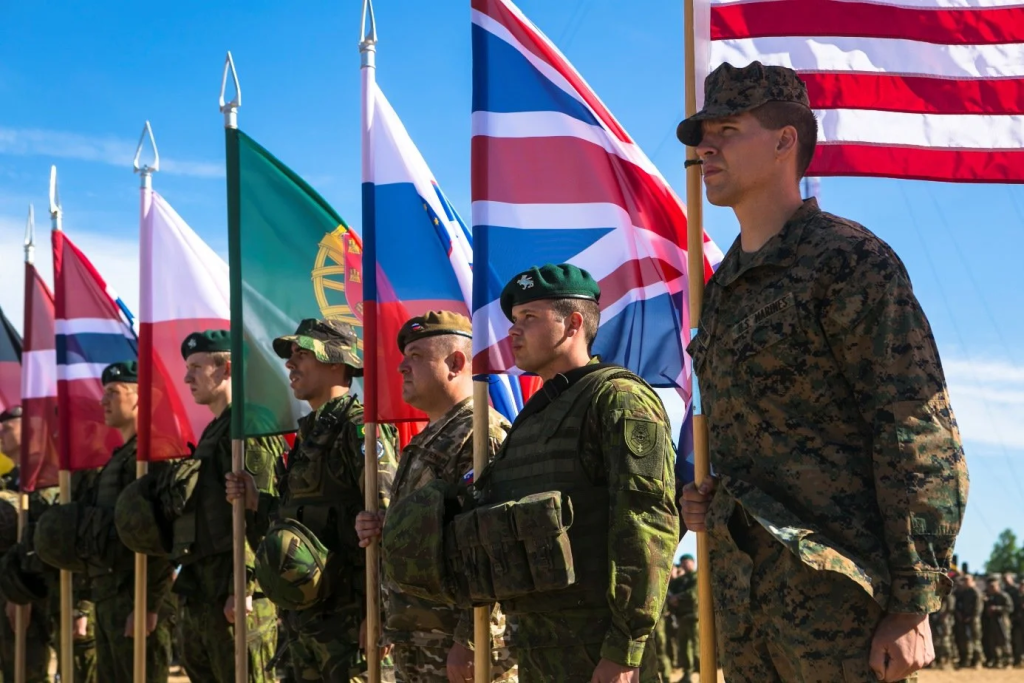
Alliances are like teams in a complex game: countries band together for mutual benefit, defense, or strategic influence.
- Military alliances: Groups like NATO provide collective security. Think of it as a neighborhood watch on a global scale—if one member is threatened, all respond.
- Economic partnerships: Trade agreements create networks that affect the flow of goods, services, and jobs worldwide.
- Political coalitions: Shared values or goals, such as climate action or human rights initiatives, unite countries on the international stage.
From a reader’s perspective, it’s easier to understand alliances when imagining them as social networks—some connections are strong, others are conditional, and loyalty can shift over time.
Current Tensions Shaping the World
Geopolitical Rivalries
- Power struggles: Major powers often compete for influence in regions like the Middle East, East Asia, and Eastern Europe. These rivalries impact global stability and local populations.
- Resource competition: Control over energy, water, and critical minerals can lead to tension, even among allies.
Trade and Economic Disputes
- Tariffs, sanctions, and trade wars are common tools to assert economic influence. For example, disputes between major economies can affect the price of goods in your local grocery store.
Ideological Differences
- Democracies and authoritarian regimes may clash over human rights, free speech, or governance models. These differences often underpin diplomatic friction and policy disagreements.
Using analogies, you can think of countries like roommates with different habits—they have to coexist, but conflicts over shared resources or rules are inevitable.
Diplomacy in Action
Negotiation and Dialogue
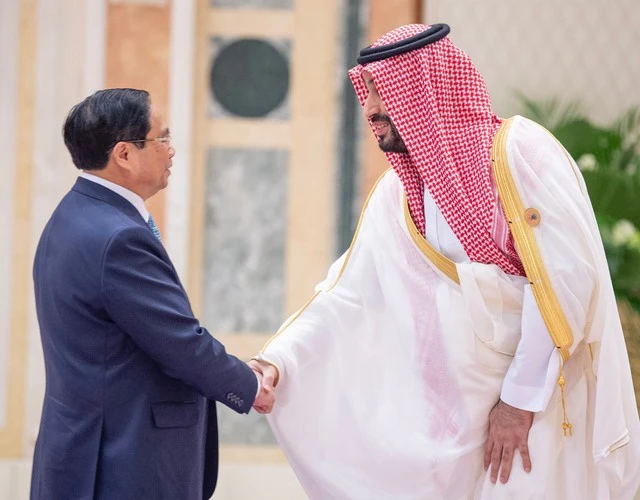
Diplomats work tirelessly behind the scenes to prevent conflicts, negotiate treaties, and build consensus. These efforts are often invisible but critical in maintaining global order.
Sanctions and Incentives
Countries use sanctions to deter undesirable actions and incentives to encourage cooperation. For citizens, this can mean seeing imported goods affected or changes in international travel regulations.
Multilateral Organizations
Entities like the United Nations provide platforms for countries to collaborate, mediate disputes, and coordinate on global issues like climate change and pandemics.
Why It Matters to You
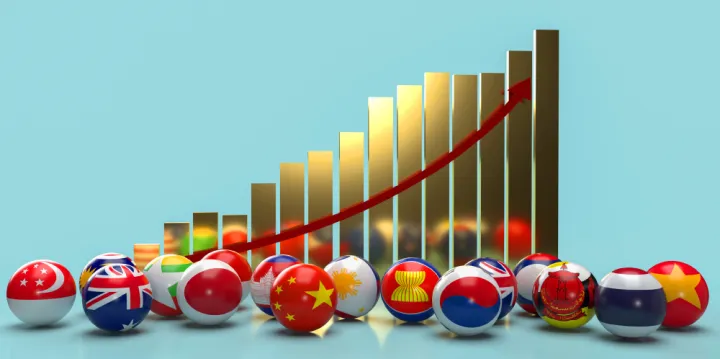
Even if diplomacy seems abstract, it influences everyday life:
- Economic stability: Trade policies affect prices, job markets, and availability of goods.
- Security and safety: Military alliances and conflict resolution efforts impact regional and global stability.
- Global culture and technology: International cooperation drives innovation, education exchanges, and travel opportunities.
Thinking about it this way helps readers see that foreign policy decisions eventually ripple into local realities—sometimes subtly, sometimes dramatically.
Conclusion
Global diplomacy is a dynamic dance of tension, cooperation, and negotiation. Alliances shift, conflicts emerge, and policies evolve, but understanding these movements helps us interpret news, anticipate impacts, and appreciate the interconnected world we live in. The next time you hear about a summit, trade deal, or international dispute, consider: how might this “distant” event touch your life, community, or work?