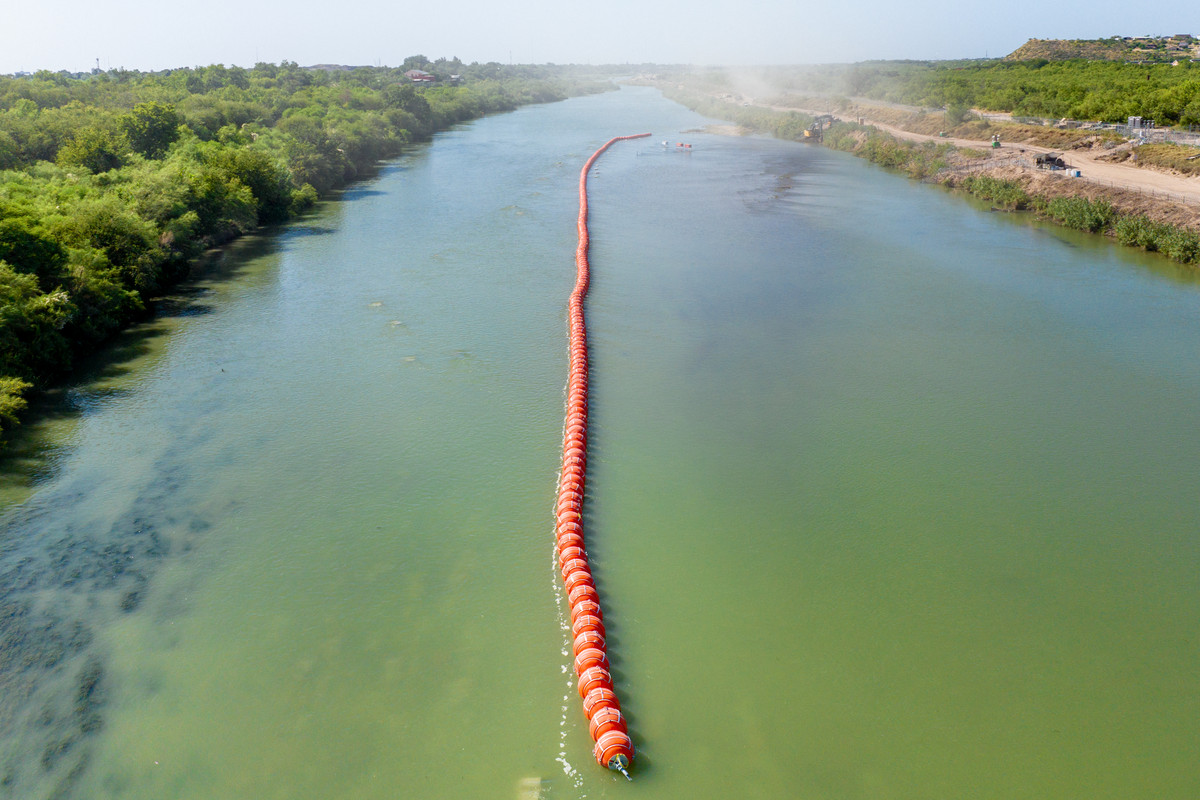
The Hidden Tension Beneath the Flow
Water looks peaceful when you see it in motion—a river gliding between green banks, a shimmering lake at sunrise.
But beneath that calm surface lies one of the most complex geopolitical puzzles of our century.
More than 270 rivers cross national borders. Some link friendly neighbors; others divide uneasy rivals.
As climate change reshapes rainfall and glaciers retreat, those shared waters are turning from symbols of life into flashpoints of power.
The next global conflicts, many analysts warn, may not be fought over oil—but over water.
A World Defined by Shared Rivers
The Nile, the Mekong, the Indus, the Tigris, and Euphrates—all these names carry centuries of civilization and, increasingly, political strain.
In the Nile Basin, Egypt and Ethiopia have clashed over the Grand Ethiopian Renaissance Dam, which promises energy for one nation but threatens flow for another.
In South Asia, melting Himalayan glaciers are redrawing hydrological maps faster than treaties can adjust.
Even in Europe and North America, droughts are testing long-standing cross-border agreements.
Water is a paradox—it connects nations geographically but divides them politically.
Ownership is nearly impossible to define: you can’t fence a river, yet everyone depends on its path.
The tension, however, has sparked something unexpected: innovation in diplomacy.
The Rise of “Hydro-Diplomacy”
In the last decade, a new field has quietly taken root—hydro-diplomacy.
It’s not about controlling resources, but about designing systems of shared stewardship.
Take the Mekong River Commission, for instance.
Despite political differences among its member countries, it offers data-sharing, early flood warnings, and joint ecological monitoring.
In Africa, the Senegal River Basin Organization manages dams and irrigation collaboratively, preventing disputes before they begin.
These frameworks might not make headlines, but they’re redefining international cooperation.
They recognize that water scarcity doesn’t respect borders—and survival depends on coordination, not competition.
Technology Meets Tradition
While diplomacy builds bridges, technology is quietly reinforcing them.
Satellite mapping now allows real-time tracking of river flow and glacier melt.
AI models can predict drought years before they strike, giving nations time to plan collective responses.
In Kenya and Ethiopia, mobile apps developed by local NGOs allow farmers across borders to share rainfall data and crop strategies.
It’s small-scale cooperation—but multiplied across regions, it rewrites the narrative from conflict to co-adaptation.
Interestingly, some of the most effective solutions blend modern tech with ancestral knowledge.
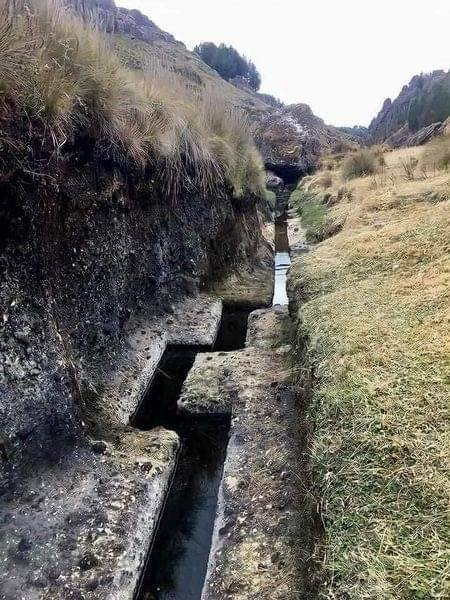
In the Andes, communities are reviving ancient water-harvesting systems—stone canals that guide rainfall underground—while using drones to map efficiency.
It’s a reminder that innovation doesn’t always mean invention. Sometimes, it means rediscovery.
When Water Becomes a Teacher
Water teaches in paradoxes.
It’s both gentle and unyielding, silent yet transformative.
And as nations learn to share it, they’re also forced to learn a new kind of humility.
A researcher once said, “You can’t weaponize a river without poisoning yourself.”
It’s true—every act of hoarding or diversion eventually ripples back.
Whether through environmental degradation, migration pressure, or loss of trust, unilateralism in water management is self-defeating.
Perhaps this is why more countries are starting to see rivers not as borders, but as bridges—literal, ecological, and diplomatic.
The Economics of Cooperation
Beyond morality and survival, there’s a clear economic case for collaboration.
Joint water management projects reduce disaster costs, attract green investment, and stabilize agricultural supply chains.
The World Bank has found that transboundary water cooperation can increase regional GDP by up to 12% over a decade—simply by lowering conflict risk and improving planning efficiency.
So the real challenge isn’t scarcity—it’s governance.
There’s still enough water for everyone, but not under systems built on mistrust.
A Future Flowing Together
Looking ahead, the story of shared water could define whether globalization evolves or unravels.
It’s not just about climate adaptation—it’s about global maturity.
Imagine a future where rivers are managed like shared neural networks—responsive, transparent, and collectively maintained.
Where flood alerts in one country trigger automated mitigation systems in another.
Where students in Cairo, Phnom Penh, and Nairobi study the same “river diplomacy” curriculum as part of a global sustainability network.
That future isn’t science fiction—it’s a policy shift waiting to happen.
The Final Current
At its heart, water reminds us of something deeply human: interdependence.
Every river starts somewhere and ends somewhere else, carrying stories, sediments, and survival through invisible threads.
If nations can learn to see that flow not as competition but as communion, the world might just discover a new language of peace—spoken not through treaties, but through tides.
Because in the end, the rivers we share may be the most powerful proof that we’re all, quite literally, in this together.