For a world that prides itself on speed and efficiency, it’s ironic how many of us are slowing down—on purpose. In coffee shops, people flip through vinyl records instead of scrolling playlists. Film cameras click again, their soft mechanical rhythm replacing the quiet buzz of digital shutters. Friends send handwritten letters that take days to arrive but feel infinitely more personal than a text message.
It seems that, in an age of endless notifications and algorithmic everything, we’re rediscovering the beauty of imperfection—the analog way of living.
A Digital Fatigue That Feels All Too Real
We’ve spent years being told that faster is better. Faster internet, faster communication, faster delivery. But somewhere along the way, our attention spans thinned, and our emotional bandwidth stretched to breaking.
Digital life—efficient as it is—can feel strangely hollow. The song you play on Spotify doesn’t quite exist; it’s a stream of data, not a physical experience. The photos you take on your phone are perfect yet disposable, lost in a cloud of duplicates and filters.
Maybe that’s why people are turning back to analog experiences—not for nostalgia’s sake, but because they offer something we’ve forgotten: presence.
The Vinyl Resurgence: Sound You Can Feel
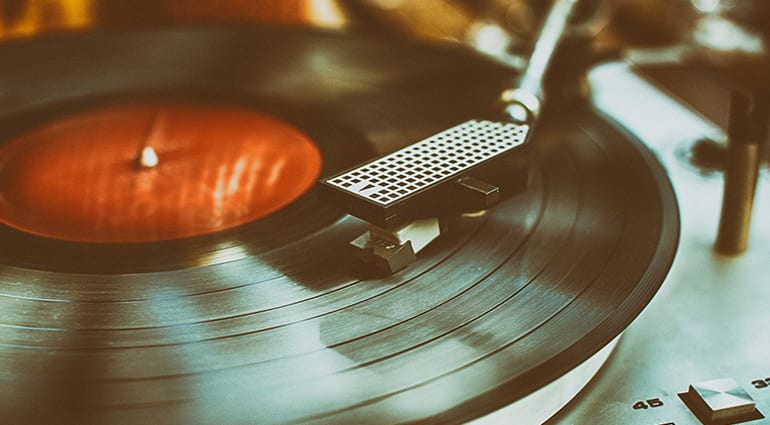
Take vinyl records. Once written off as relics, they’re now outselling CDs again. There’s something irresistible about lowering the needle, hearing that soft crackle, and letting a song play all the way through.
Unlike streaming, vinyl demands attention. You can’t just skip a track; you have to listen. And that physical interaction—holding the record sleeve, reading liner notes, flipping sides—creates a connection that digital platforms simply can’t replicate.
When I first rediscovered vinyl, I was surprised by how alive it sounded. The imperfections, the warmth, the texture—it was music with fingerprints. Each pop and hiss felt like proof that something real was happening in the room.
Film Photography: The Art of Waiting
Film photography has seen a similar revival, especially among younger generations who grew up entirely digital. What’s fascinating is that for them, film isn’t nostalgia—it’s discovery.
Shooting film forces you to slow down. You think before pressing the shutter, because each click costs money. You don’t get instant gratification; you get anticipation. When you finally develop the film and see the results, there’s a sense of wonder that no smartphone gallery can reproduce.
And those imperfections—light leaks, motion blur, unexpected tones—often become the most beautiful parts of the picture. Film reminds us that imperfection isn’t failure; it’s character.
Letters, Journals, and the Intimacy of Ink
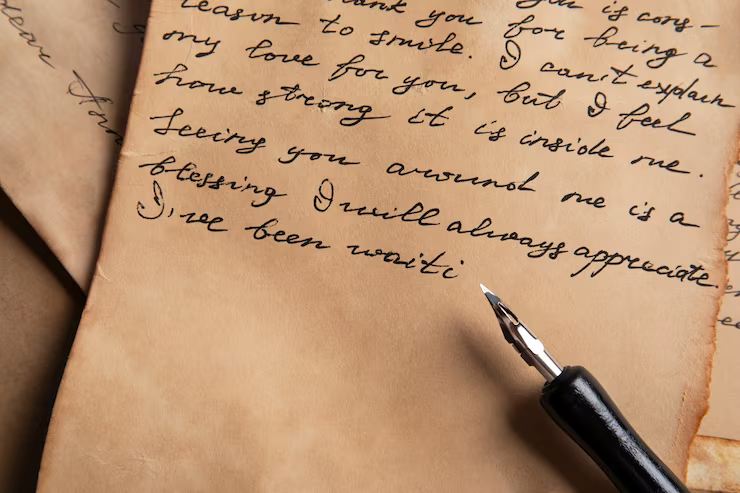
In a world of instant communication, waiting for a letter feels almost radical. Handwritten words carry a weight that typed text never will. The curve of someone’s handwriting, the pressure of the pen, the small smudge of ink—it’s a piece of the sender’s physical presence.
There’s also a vulnerability in writing by hand. You can’t delete or backspace emotions away. Every crossed-out word, every uneven line tells a story. I’ve kept letters from friends that are over a decade old, and they still feel alive—something you can hold, reread, and keep. Try doing that with a text thread.
Even journaling, an almost private rebellion against digital culture, has made a comeback. People are using notebooks to reconnect with their thoughts—to slow down, reflect, and remember who they are beyond the screen.
Why Are We Going Backward to Move Forward?
At first glance, this analog revival seems contradictory. Why would we revert to slower, less convenient technology in a hyperconnected world? But maybe it’s not regression—it’s recalibration.
Technology has given us accessibility, but not always fulfillment. Analog experiences, by contrast, demand our time and attention. They’re tactile, flawed, and human. And that’s exactly why we crave them.
Psychologists call it “digital fatigue”—the burnout that comes from overstimulation and lack of sensory engagement. When everything exists behind a screen, we lose touch with the physical world. Analog media restore that connection.
A vinyl record, a film photo, or a handwritten letter is more than just an object—it’s a ritual. It slows us down and reminds us that meaning often comes from the process, not the outcome.
The Blend of Analog and Digital: A Balanced Future
Of course, this isn’t about rejecting technology altogether. Most people who love analog still use Spotify, digital cameras, and email every day. The point isn’t to escape technology—it’s to rebalance it.
Some musicians now release albums both digitally and on vinyl. Photographers digitize film negatives to share online. Artists post scans of their journals on Instagram. In this way, analog and digital aren’t rivals—they’re partners.
Perhaps that’s the real lesson: embracing technology doesn’t mean losing touch with the tangible. It’s about remembering that the human experience thrives on texture, imperfection, and patience.
Closing Thoughts: Finding Meaning in the Slow Lane
Maybe we’re not just nostalgic for the past. Maybe we’re homesick for authenticity—the feeling of being present in a world that never stops scrolling.
When I drop the needle on a record, load a roll of film, or seal a letter with a handwritten note, I’m reminded of something simple yet profound: not everything valuable can be optimized.
The analog comeback isn’t about going backward—it’s about remembering how to feel forward.