Introduction
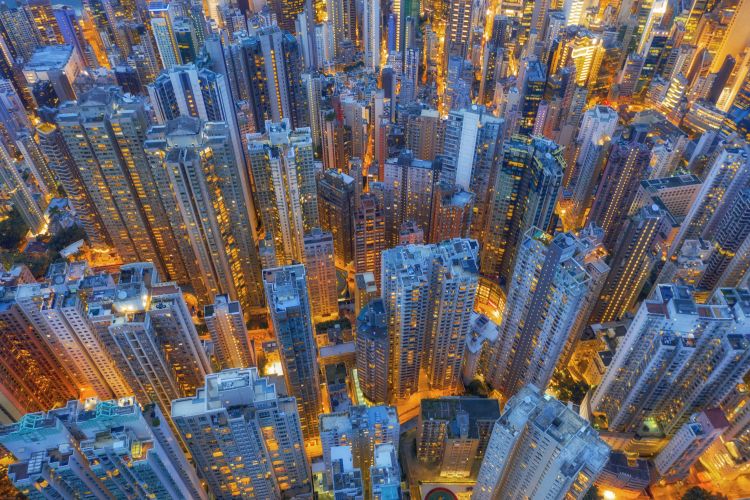
Every time you scroll through photos of towering skyscrapers or bustling city streets, it’s easy to admire the energy and scale of modern urban life. But behind the skyline lies a complex story: the rapid growth of megacities—cities with over 10 million residents—brings both incredible opportunities and serious challenges. In this article, we’ll explore how these urban giants shape lives, economies, and the environment, and what living in one really feels like from a resident’s perspective.
What Defines a Megacity?
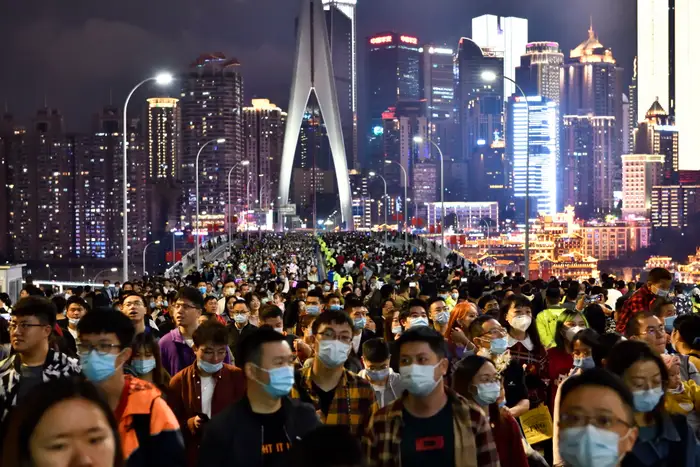
Megacities aren’t just “big cities.” They are urban hubs with populations so large that they influence global economics, culture, and policy.
- Population threshold: Typically over 10 million people.
- Economic influence: Often contribute disproportionately to national GDP.
- Global connectivity: Major transport, finance, and tech centers.
Imagine sharing public transit with millions every day or navigating streets where the energy feels almost electric—that’s the daily reality in these cities.
Opportunities in Megacities
Economic and Career Prospects
Megacities are magnets for talent and innovation. Startups, multinational corporations, and creative industries thrive in these dense environments. For residents, this means access to jobs and career advancement that might be unavailable in smaller towns.
Cultural Diversity and Social Life
Large cities bring together people from diverse backgrounds. From art galleries to food markets, the exposure to new cultures is unparalleled. Walking through a neighborhood where languages, cuisines, and festivals collide can be both thrilling and educational.
Access to Services and Technology
Healthcare, education, and digital infrastructure are often more advanced in megacities. Residents benefit from specialized hospitals, top-tier universities, and seamless internet connectivity—resources that smaller towns may lack.
Challenges Residents Face
While the perks are tempting, life in a megacity comes with trade-offs.
Housing and Cost of Living
Affordable housing is scarce. Renting or buying property often consumes a significant portion of income. From a resident’s perspective, moving to a bigger apartment can feel like a minor victory.
Traffic and Pollution
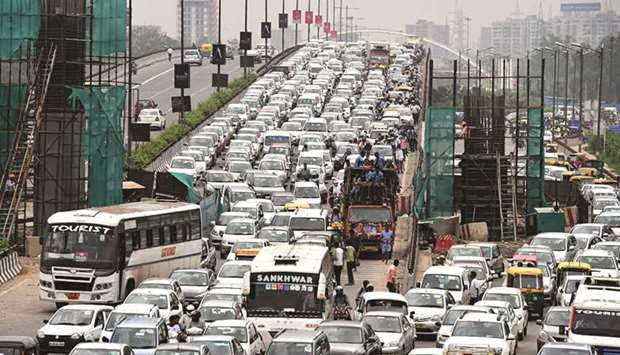
Congested streets, long commutes, and air quality issues are daily realities. Even short trips can feel exhausting, and health risks from pollution are constant.
Social Inequality and Public Services Strain
The gap between wealth and poverty can be stark. Overcrowded schools, stretched healthcare systems, and limited green spaces often highlight inequality. Residents may feel both awe and frustration as they navigate these contrasts.
How Megacities Are Adapting
Sustainable Urban Planning
Some cities are investing in green spaces, bike lanes, and public transport improvements. These efforts aim to reduce congestion and pollution, making urban life more livable.
Smart City Initiatives
Technology is helping cities manage resources efficiently—traffic lights that respond to flow, smart grids for energy, and digital platforms for citizen services. From a reader’s view, it’s like stepping into a future city designed to make daily life smoother.
Community Engagement and Social Programs
Neighborhood initiatives, local festivals, and community centers help maintain social cohesion in densely populated areas. Residents often find support and belonging in these micro-communities.
Why Megacities Matter Globally
Megacities are not just local phenomena—they influence global trends. Economic shifts, environmental policies, and cultural movements often originate in these urban hubs. Understanding their dynamics helps us grasp the challenges and potential of modern human civilization.
Conclusion
Living in a megacity is a balancing act between opportunity and challenge. While the energy, diversity, and career prospects are unmatched, residents also face congestion, high costs, and social pressures. For those of us observing from afar, it’s a reminder of how human innovation and urban planning can shape lives on a massive scale. Could the next wave of urban design make megacities not just bigger, but truly better for everyone?