
Introduction
Sports aren’t just about competition—they’re mirrors of society and culture. For decades, women athletes faced unequal opportunities, limited media coverage, and systemic barriers. Today, female athletes are breaking records and redefining what it means to compete. In this article, we’ll explore their rise, the challenges they still face, and share inspiring stories from real athletes who are changing the game.
1. Shattering Records on the Global Stage
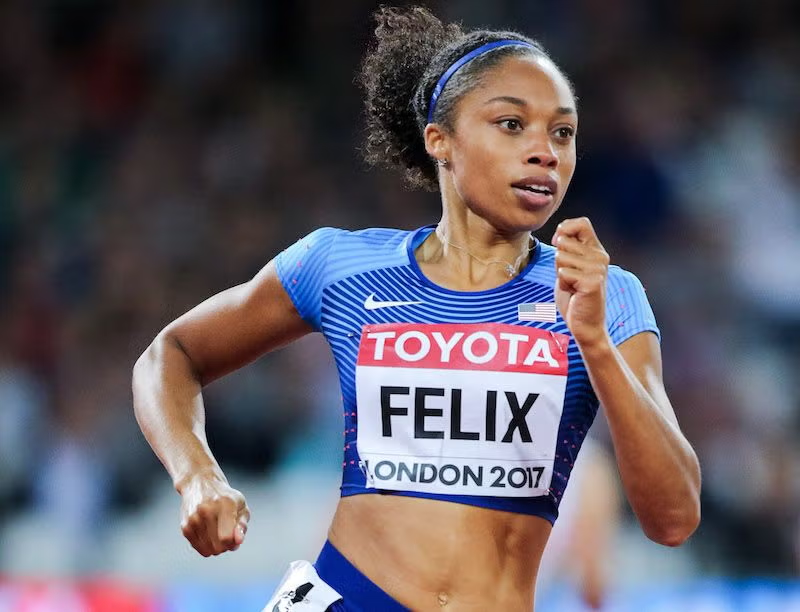
Across the globe, women athletes are setting new benchmarks. Take Simone Biles, for example, who transformed gymnastics with routines once considered impossible. Her combination of strength, agility, and precision didn’t just win medals—it changed the sport’s standard. Watching her compete is electrifying; it’s easy to feel like you’re witnessing history in motion.
Similarly, Allyson Felix in track and field has not only amassed multiple Olympic medals but also fought for equitable treatment for mothers in sports. These stories highlight that achievement is as much about perseverance and advocacy as raw talent.
2. Overcoming Systemic Challenges
Despite their triumphs, women athletes still face hurdles:
- Significant pay gaps in professional leagues
- Limited sponsorship compared to male counterparts
- Fewer media opportunities for visibility
Megan Rapinoe, the US soccer star, has been vocal about wage inequality, leading campaigns that forced the U.S. Soccer Federation to reconsider pay structures. Her story shows that athletes are not just competing—they’re fighting for fairness and recognition, inspiring fans beyond the field.
3. Media and Visibility: Changing the Narrative
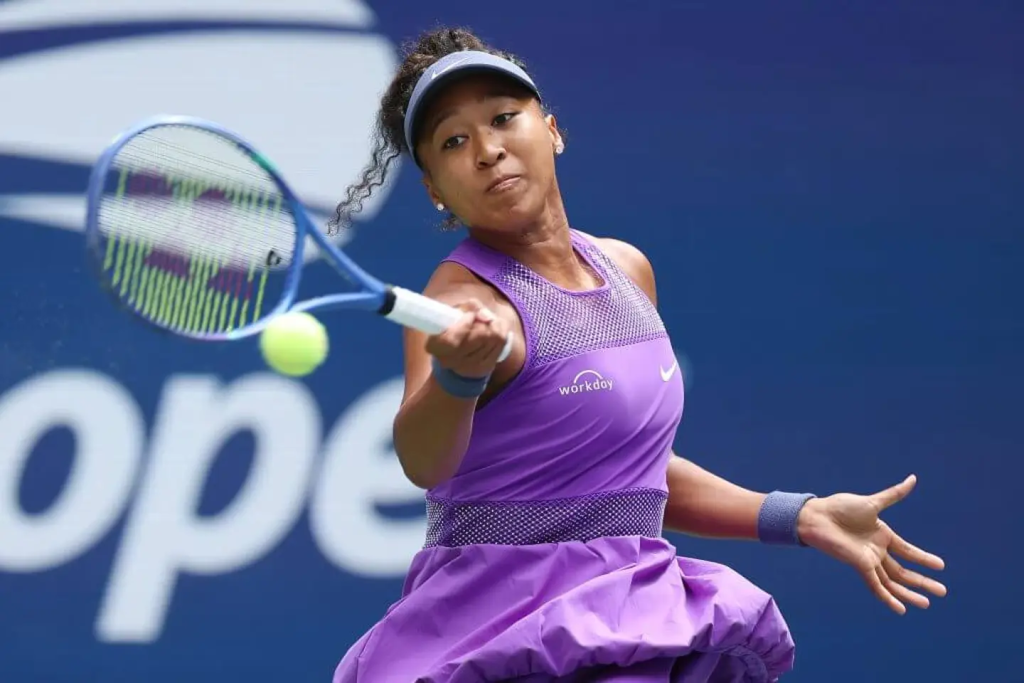
Media coverage is finally catching up. Social media has become a tool for athletes like Naomi Osaka, who shares both her tennis journey and personal struggles with mental health. Platforms like Instagram and Twitter allow fans to see behind the scenes: training, victories, and human moments that make these athletes relatable.
From a viewer’s perspective, following these stories creates a sense of intimacy. It’s no longer just about stats or wins—it’s about connecting with the people who redefine sports culture every day.
4. Role Models and Cultural Impact
Women athletes serve as role models across generations. Serena Williams, for instance, has inspired millions to pursue sports while challenging societal expectations around gender, motherhood, and leadership. Watching her return to the court after giving birth reinforces the idea that personal milestones and professional achievement can coexist.
These athletes are not just sports figures—they’re cultural icons, influencing fashion, social activism, and public conversations about equity and inclusion.
5. Looking Ahead: The Future of Women’s Sports
The trajectory is promising: more professional leagues, global tournaments, and advocacy for equality are transforming the landscape. However, systemic challenges remain, and the push for visibility, fair pay, and investment continues.
From my perspective, the future of women’s sports lies in celebrating talent, effort, and impact, creating systems where athletes—regardless of gender—can shine, inspire, and lead.
Conclusion
Women in sports are pioneers, advocates, and cultural changemakers. Athletes like Simone Biles, Allyson Felix, Megan Rapinoe, Naomi Osaka, and Serena Williams show us that breaking records isn’t just about competition—it’s about resilience, courage, and creating space for others to succeed.
Next time you watch a match or follow a tournament, consider the stories behind the headlines: how can we support equity, visibility, and opportunity for all athletes, on and off the field?