
Introduction
Climate change is no longer a distant threat—it’s impacting communities, economies, and ecosystems right now. Governments around the world are responding with policies designed to reduce carbon emissions, promote renewable energy, and encourage sustainable practices. But how effective are these initiatives, and what does it mean for citizens? In this article, we’ll break down global climate policies, examine their real-world impact, and explore what readers can learn from them.
1. The Global Push for Renewable Energy
Many countries are investing heavily in renewable energy, including solar, wind, and hydroelectric power. These initiatives aim to reduce reliance on fossil fuels while fostering innovation and creating jobs.
For instance, cities that implement solar panel incentives often see a surge in local adoption, cutting electricity costs for households while supporting clean energy startups. From my perspective, seeing neighborhoods powered by solar or wind feels like witnessing the future of sustainable living firsthand.
2. Carbon Taxes and Emission Regulations
Another common approach is the implementation of carbon taxes and strict emission standards. By putting a price on carbon, governments encourage companies to adopt greener practices.
While some critics argue that these policies may increase costs for consumers, others note that they drive technological innovation and long-term environmental benefits. Personally, I find it fascinating to see how market forces and environmental goals intersect—like a high-stakes chess game where every policy move influences industry behavior.
3. Urban Green Initiatives
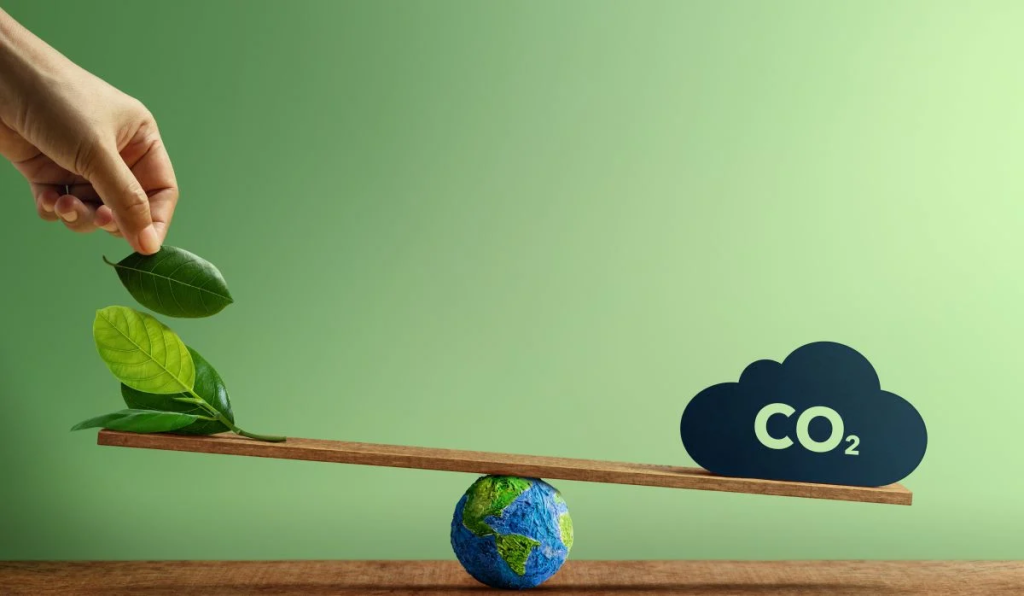
Governments are also transforming cities with green infrastructure:
- Public transportation upgrades to reduce vehicle emissions.
- Urban forests and parks to improve air quality and public health.
- Sustainable building codes that minimize energy consumption.
Walking through a city that prioritizes green spaces and eco-friendly transport gives a tangible sense of these policies in action. It’s a reminder that climate policy isn’t just a bureaucratic process—it directly affects how we live, commute, and interact with our environment.
4. International Collaboration
Climate change is a global challenge, so no country can tackle it alone. International agreements, such as the Paris Agreement, aim to align nations around emission reduction targets and renewable energy adoption.
From a citizen’s point of view, these collaborations might seem abstract, but they often trickle down into local policies and programs, such as government grants for home energy retrofits or community renewable projects. It’s impressive to see how global diplomacy translates into everyday actions that shape the world we inhabit.
5. My Take: Policy Meets Individual Action
While government initiatives are crucial, individual participation amplifies their effectiveness. Simple choices—like reducing energy consumption, supporting eco-friendly businesses, or advocating for local green policies—make a difference.
Personally, I’ve noticed that taking small steps, like installing energy-efficient appliances or participating in community clean-up events, makes me feel more connected to these larger efforts. It’s empowering to realize that policy and personal action can work hand in hand toward a sustainable future.
Conclusion
Climate policies are shaping the world we live in, from energy infrastructure to urban design and international diplomacy. While challenges remain, governments’ green initiatives are critical steps toward reducing environmental impact and fostering sustainable development.
The real takeaway? Understanding these policies helps us engage more actively with our communities and make informed choices that support a greener future. And perhaps the most pressing question we should ask ourselves is: how can my daily actions complement global climate efforts?