Introduction
Lately, it feels like the news is filled with record-breaking hurricanes, floods, and heatwaves. For many of us, it’s easy to scroll past and think, “That’s far away—it doesn’t affect me.” But extreme weather events are becoming more frequent and intense worldwide, affecting communities, economies, and ecosystems. In this article, we’ll break down the science behind these events, explore why they’re happening more often, and consider what we, as individuals and societies, can do.
What Makes Weather “Extreme”?
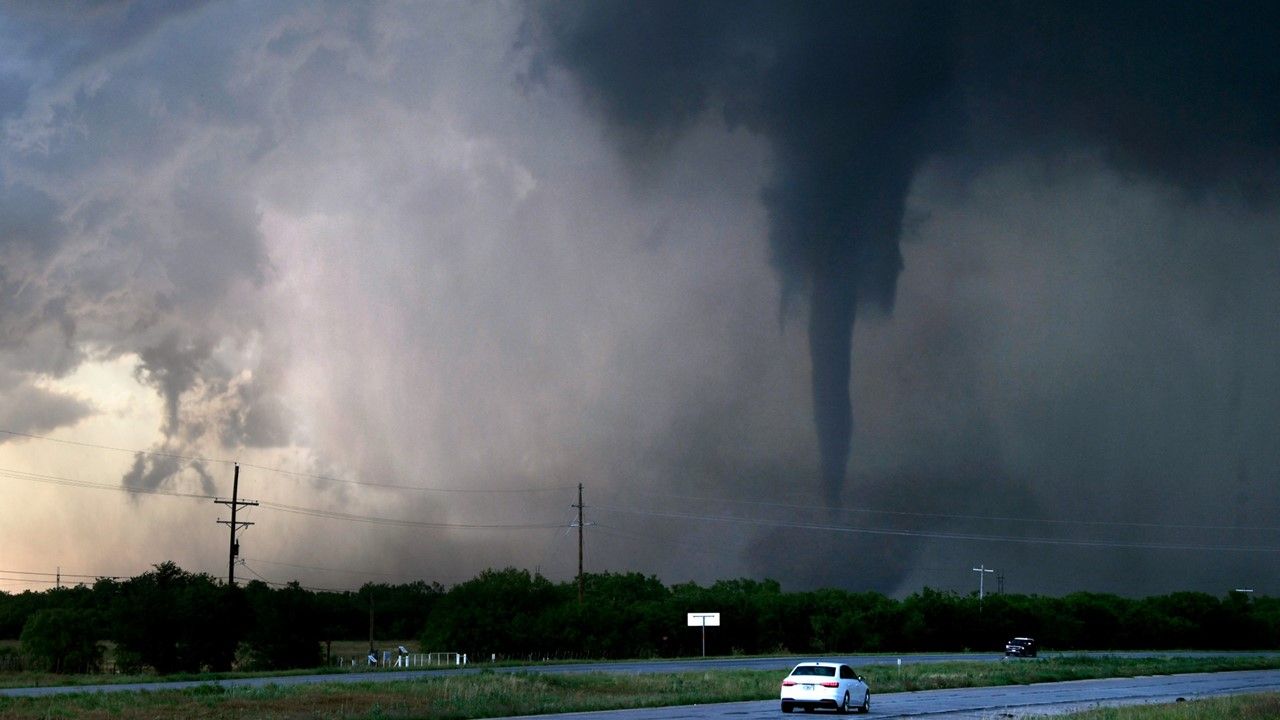
Extreme weather isn’t just about bad luck—it’s about measurable deviations from normal conditions. Hurricanes, tornadoes, heatwaves, and floods are all considered extreme when they surpass historical averages in intensity or frequency.
- Temperature anomalies: Heatwaves or cold snaps that set records.
- Precipitation extremes: Intense rainfall leading to flash floods or prolonged droughts.
- Wind events: Hurricanes, typhoons, and tornadoes with unusually high speeds.
Think about the last time your city experienced unusual weather. That disruption—power outages, traffic jams, or flooded streets—is a small taste of what some communities face daily.
The Science Behind the Storms
Climate Change and Weather Patterns
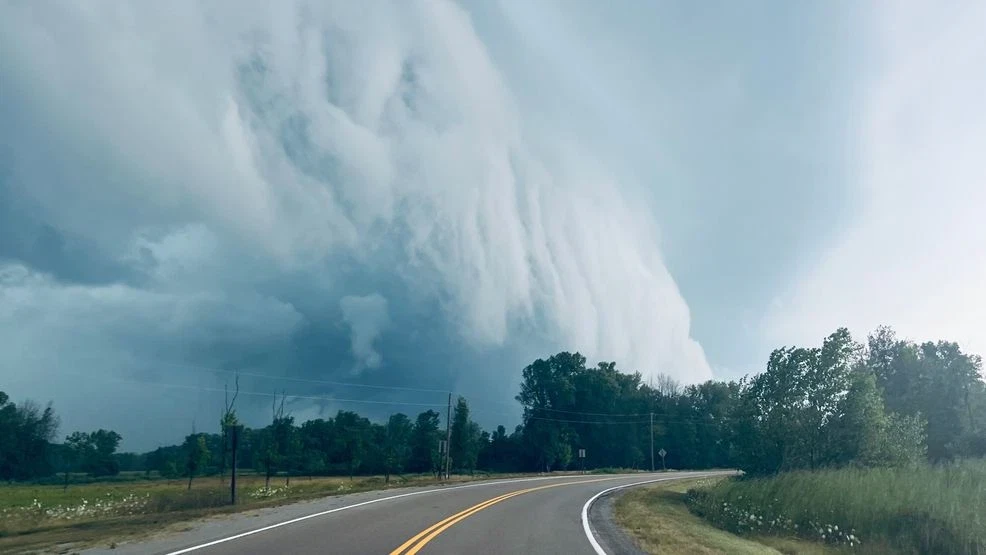
Rising global temperatures don’t just mean hotter summers—they alter weather patterns everywhere. Warmer oceans fuel stronger hurricanes, while shifting jet streams can trap heat or cold in certain regions longer than usual.
Atmospheric Instability
Extreme weather often occurs when the atmosphere becomes unstable. Warm, moist air rises rapidly, creating powerful storms. For example, thunderstorms that escalate into tornadoes result from precisely this process.
Ocean Currents and El Niño/La Niña Effects
The ocean plays a huge role in regulating climate. Events like El Niño and La Niña disrupt normal weather, causing droughts in some areas and floods in others. Observing satellite images of ocean temperatures can literally predict storm risks weeks in advance.
From a reader’s perspective, it’s fascinating to realize that the water in the Pacific can dictate whether you need an umbrella or a hurricane plan.
Impacts on Communities
Extreme weather affects everyone differently. Some communities face devastation, while others experience minor inconvenience—but the ripple effects are always real:
- Infrastructure damage: Roads, bridges, and power lines are vulnerable.
- Economic loss: Agriculture, tourism, and businesses can suffer for months.
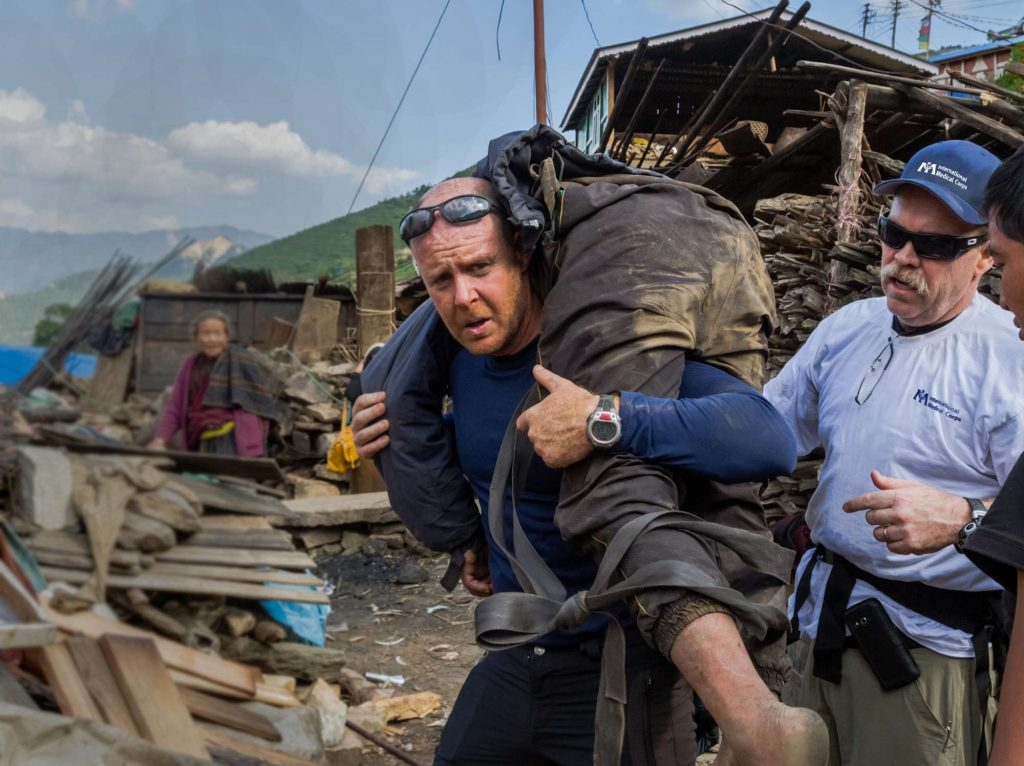
- Human displacement: Severe floods and storms force people to leave homes temporarily or permanently.
Imagine waking up to a street flooded beyond your doorstep. That’s a scenario becoming increasingly common in coastal cities worldwide.
How Countries and Organizations Respond
Early Warning Systems
Meteorologists now use satellites, AI models, and real-time sensors to track storms before they hit. Early warnings can save thousands of lives by enabling timely evacuations.
Disaster Preparedness and Relief
From emergency shelters to international aid, countries have developed rapid response strategies. However, preparedness varies widely based on resources and governance.
Community Adaptation
Communities are also innovating locally: flood-resistant buildings, storm shelters, and community drills are becoming part of daily life. For residents, small preparation steps can make a huge difference in outcomes.
What Individuals Can Do
Even if you’re not living in a hurricane zone, awareness matters. Simple actions like understanding evacuation routes, maintaining emergency kits, and staying informed help reduce risk. More broadly, supporting policies that address climate change and sustainable urban planning can contribute to long-term solutions.
Conclusion
Extreme weather events are a growing reality, shaped by both natural forces and human influence. While scientists work to predict and mitigate these events, individuals and communities play a vital role in resilience. Recognizing the science behind storms helps us move beyond fear and frustration, toward preparedness and action. How can we, as global citizens, adapt our daily lives and policies to face the changing climate with both caution and creativity?